
JournalTopics
Topic
Studio Notes
Practical guidance for working artists: pricing, contracts, documentation, shipping, statements and building a sustainable practice.
October 2026
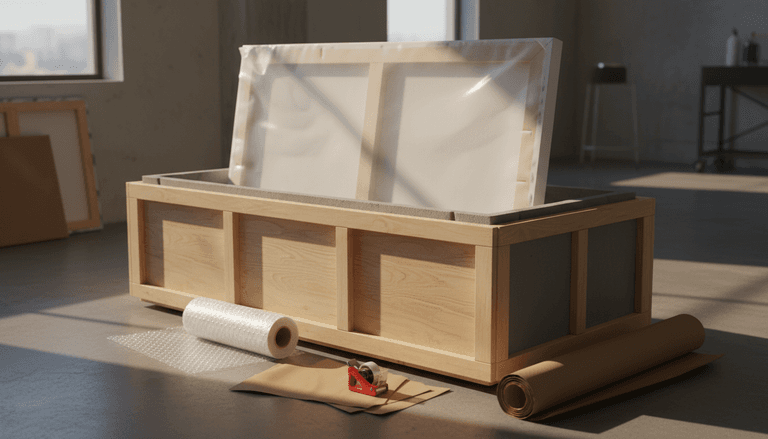
How to Ship a Painting Without Damage
Shipping is where good work gets ruined. Learn how to pack canvases, panels, and paper so they survive the trip, and what to do about insurance and tracking.

Artist Contracts and Consignment Agreements Explained
Before you hand work to a gallery, know what the contract says. Learn the consignment terms that protect you and the red flags worth walking away from.
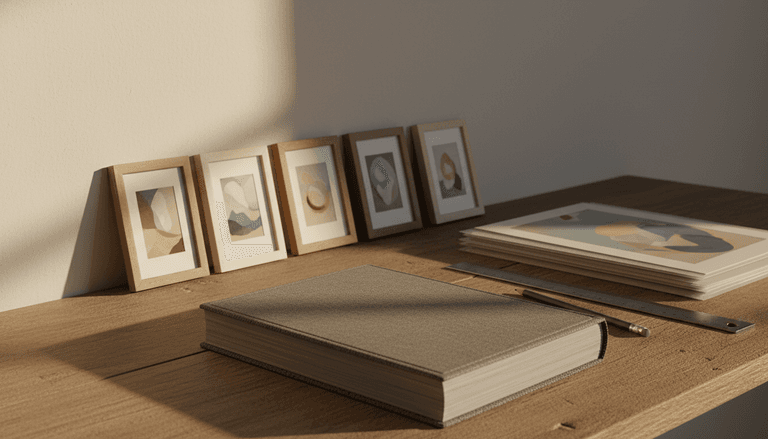
How to Price Art Prints (Not Originals)
Print pricing follows different rules than original work. Learn a cost-plus method, how edition size shifts value, and when to raise your prices.
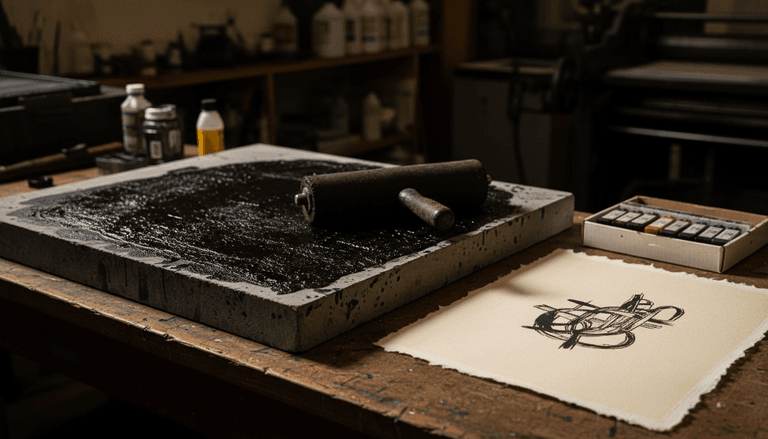
Giclee vs. Lithograph: What Actually Differs
Giclee and lithograph prints look similar framed, but they are made by different processes with different materials — and that changes their longevity and their value.
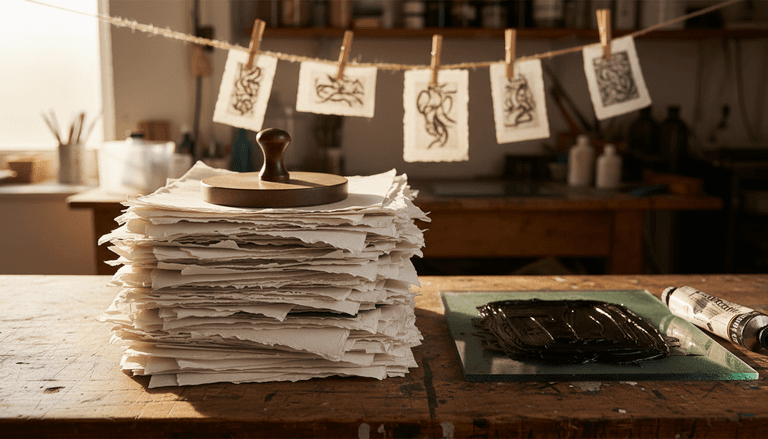
What Is an Artist's Proof?
An artist's proof used to be a working print, pulled to check the image before the edition was run. Now it is often a label — and buyers should know the difference.
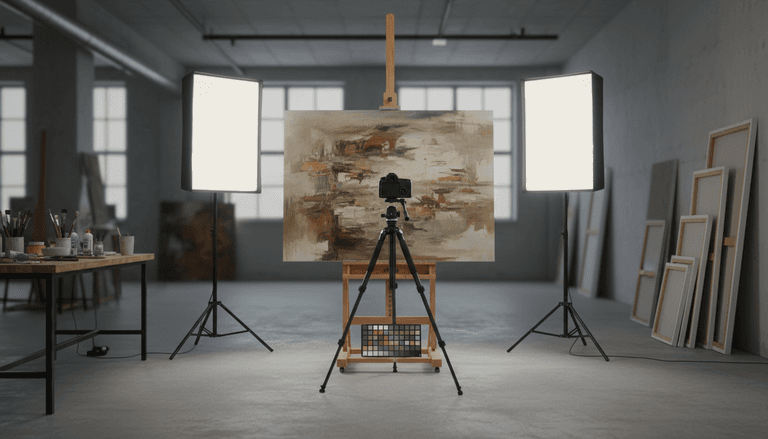
How to Photograph Your Own Artwork
You do not need a studio to document your work well. Even light, a simple setup, and a colour reference will produce photographs good enough to sell from.
Advertisement
More from the journal
- Why Your Paintings Look Muddy and How to Fix Color Mixing ProblemsWhy paintings look muddy and how to fix color mixing problems. The science of chromatic neutralization, pigment transparency, and value control in mixing.
- How Pointillism Exploits Optical Mixing vs Pigment MixingThe science behind pointillism's optical color mixing. Why Seurat's dots work at distance but fail up close, and what retinal mixing actually achieves versus theory.
- Why Titanium White Behaves Differently Than Lead WhiteThe chemistry behind titanium white vs lead white in oil painting. Why particle size, opacity mechanisms, and drying chemistry create fundamentally different paint behavior.

How to Write an Artist Bio vs. an Artist Statement
Bios and statements get mixed up constantly. Learn the different jobs they do, the lengths each needs, and how to write both without art-speak.
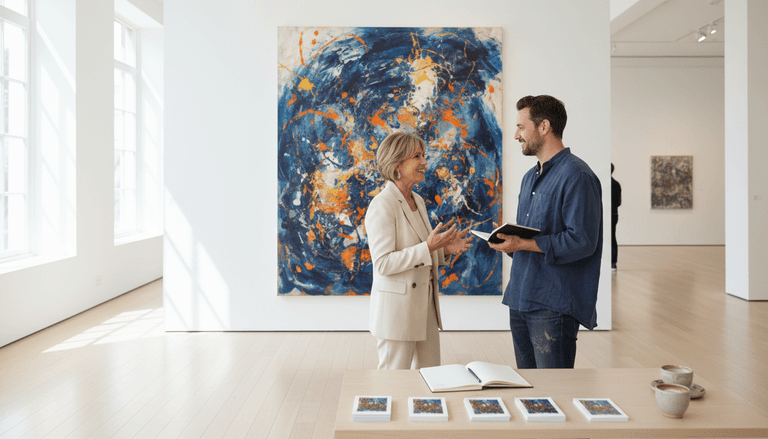
How to Approach a Gallery Without a Cold Pitch
Cold-pitching galleries rarely works. What works is being visible before you ask — through open calls, studio visits, and relationships built over time.
February 2026
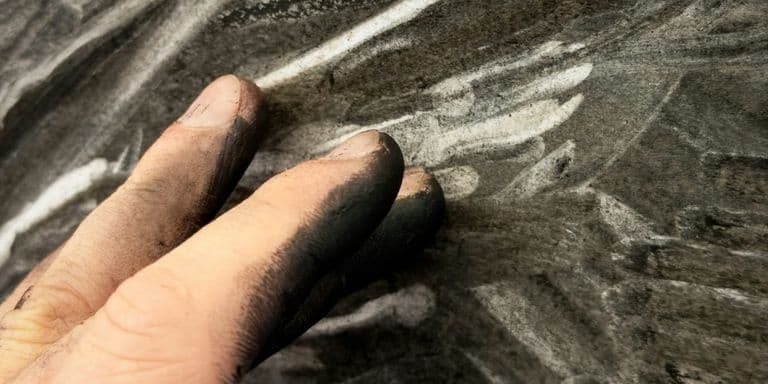
Why Charcoal Smudges Differently on Various Paper Surfaces
The physics of charcoal adhesion to paper. How fiber structure, tooth, and surface energy determine smudging, and why hot press behaves completely differently than cold press.

How Rust Behaves in Richard Serra's Weathering Steel Sculptures
How rust behaves in Richard Serra's Cor-Ten steel sculptures. The chemistry of controlled oxidation, protective patina formation, and why some weathering steel fails.
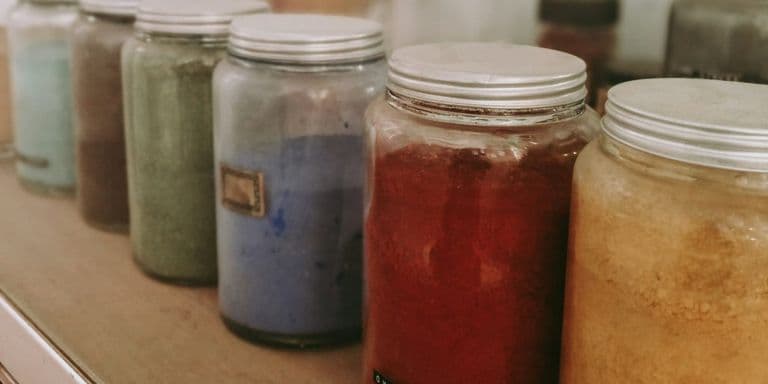
Natural Pigments and the Geology of Color Through History
How geological processes created the pigments that colored art history. From lapis lazuli mines in Afghanistan to ochre deposits shaping cave paintings.

Why Environmental Art Often Gets the Science Wrong
Why environmental art frequently misrepresents ecology, climate science, and biological systems. When good artistic intentions meet bad scientific understanding.
Advertisement
More from the journal
- Why Your Paintings Look Muddy and How to Fix Color Mixing ProblemsWhy paintings look muddy and how to fix color mixing problems. The science of chromatic neutralization, pigment transparency, and value control in mixing.
- How Pointillism Exploits Optical Mixing vs Pigment MixingThe science behind pointillism's optical color mixing. Why Seurat's dots work at distance but fail up close, and what retinal mixing actually achieves versus theory.
- Why Titanium White Behaves Differently Than Lead WhiteThe chemistry behind titanium white vs lead white in oil painting. Why particle size, opacity mechanisms, and drying chemistry create fundamentally different paint behavior.

Why Red Means Different Things in Western and Chinese Painting
Red means aggression in Western painting but celebration in Chinese art. How cultural context changes color symbolism and what artists need to understand.
How Regional Artists Actually Get Into Local Group Shows Without Gallery Representation
Regional artists reveal how they actually get into local group shows. Application strategies, curator relationships, and portfolio approaches that work.
December 2025
How Photography's Relationship to Reality Shapes Meaning
Photographs are physical traces of what existed, not just pictures. This indexical relationship to reality creates unique conceptual possibilities and limits that distinguish photography from every other visual medium.
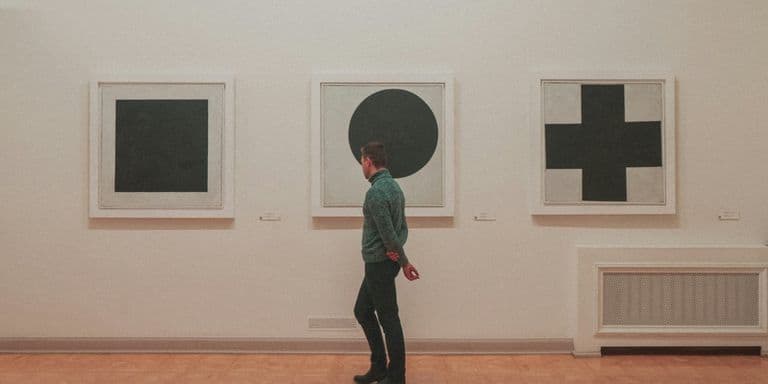
How Constraints Create Conceptual Depth in Art
Unlimited freedom paralyzes artists. Sol LeWitt's limited media, Morandi's restricted palette, and On Kawara's daily discipline reveal how material, temporal, and conceptual constraints force deeper investigation than infinite options ever could.
Developing an Art Concept Across a Body of Work
Three paintings suggest an idea. Ten begin exploration. Twenty might complete it. Learn how to sustain conceptual investigation across multiple works, when repetition serves exploration versus empty redundancy, and how to build bodies of work with genuine depth rather than just matching aesthetics.
November 2025

Breaking the Block: Twelve Proven Exercises for Creative Momentum
Waiting for inspiration extends blocks. Forcing produces weak work. These structured exercises bypass stuck pathways and create new routes to making art.
Advertisement
More from the journal
- Why Your Paintings Look Muddy and How to Fix Color Mixing ProblemsWhy paintings look muddy and how to fix color mixing problems. The science of chromatic neutralization, pigment transparency, and value control in mixing.
- How Pointillism Exploits Optical Mixing vs Pigment MixingThe science behind pointillism's optical color mixing. Why Seurat's dots work at distance but fail up close, and what retinal mixing actually achieves versus theory.
- Why Titanium White Behaves Differently Than Lead WhiteThe chemistry behind titanium white vs lead white in oil painting. Why particle size, opacity mechanisms, and drying chemistry create fundamentally different paint behavior.
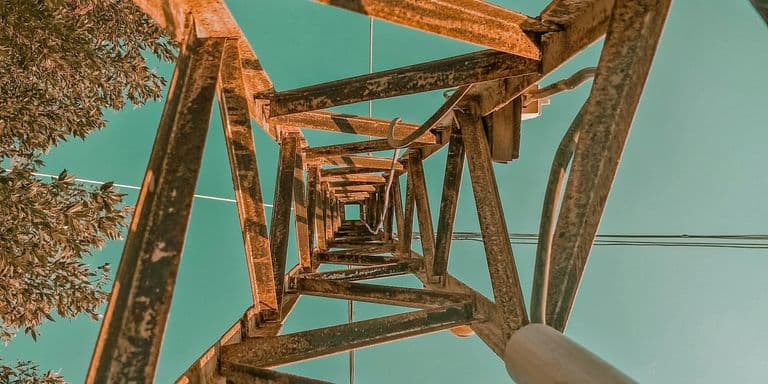
Conceptual Depth: Moving Beyond Technical Skill
Technical mastery without conceptual depth produces competent but empty work. Learn to develop ideas worth executing through research, questions, and integration.
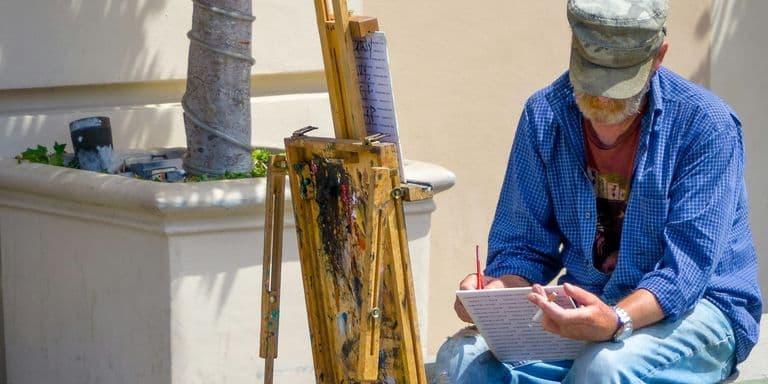
The Artist Statement That Opens Doors: Writing With Clarity and Conviction
Artist statements provoke more anxiety than almost any professional requirement. Learn to write with clarity instead of art-speak, in your authentic voice.

Building a Sustainable Art Practice Without Burning Out
Marathon studio sessions and sacrifice-everything devotion produce predictable burnout. Learn to structure your practice for decades, not months of intensity.
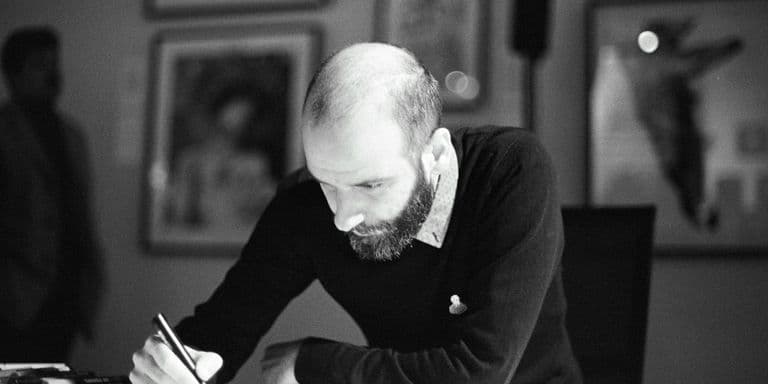
Six Months to Signature: A Structured Approach to Developing Your Visual Voice
Your art style won't crystallize from practice alone. This six-month framework helps you systematically explore, identify, and develop your authentic visual voice.

Before You Quit Your Day Job: Essential Questions for the Aspiring Professional Artist
The fantasy of quitting your job to make art looks nothing like the reality. Ask yourself these hard questions before making moves you can't reverse.
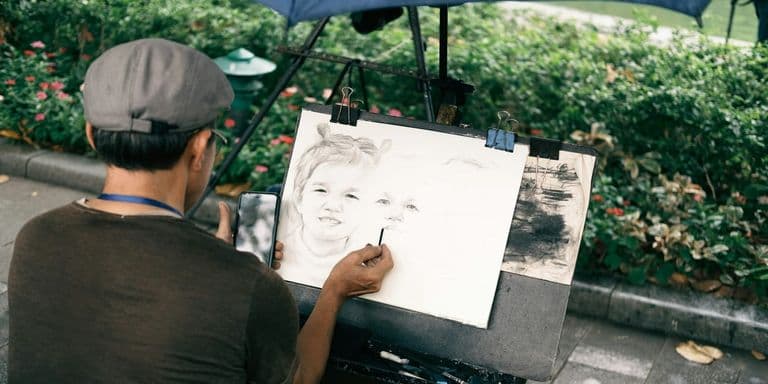
The Commission Pricing Formula Every Emerging Artist Needs
Pricing art commissions isn't about what feels comfortable to charge. It's about calculating actual costs and building rates that support your growth as an artist.
Advertisement
More from the journal
- Why Your Paintings Look Muddy and How to Fix Color Mixing ProblemsWhy paintings look muddy and how to fix color mixing problems. The science of chromatic neutralization, pigment transparency, and value control in mixing.
- How Pointillism Exploits Optical Mixing vs Pigment MixingThe science behind pointillism's optical color mixing. Why Seurat's dots work at distance but fail up close, and what retinal mixing actually achieves versus theory.
- Why Titanium White Behaves Differently Than Lead WhiteThe chemistry behind titanium white vs lead white in oil painting. Why particle size, opacity mechanisms, and drying chemistry create fundamentally different paint behavior.
October 2025
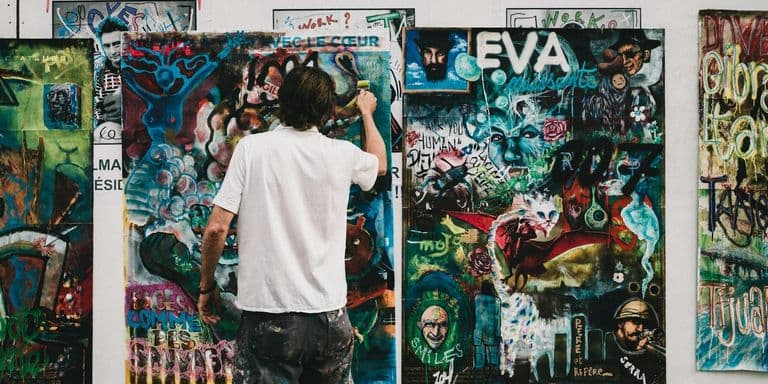
Why Experimenting Makes You a Better Artist
There's a comfortable trap most artists fall into. You figure out what works and keep doing it, but somewhere in that safety, something vital dies. Why experimenting makes you a better artist isn't about being random, it's about deliberately creating conditions for discovery.

Staying Motivated as an Artist When Nothing Seems to Work
Every artist hits that wall where nothing feels right. The work looks flat, ideas dry up, and picking up a brush feels like a chore. Staying motivated as an artist isn't about finding inspiration once, it's about rebuilding it daily through understanding what drives you.

Every Artist Faces These Problems and How to Solve Them

What Artists Actually Use Journals For Besides Sketching
Unlock insights through journaling. Discover structured prompts and freeform techniques that deepen artistic practice and overcome mental blocks.

Time Management for Artists Who Hate Schedules
Master time management as an artist. Learn to protect studio time, handle admin tasks efficiently, and create sustainable work-life balance.

The Myth of Daily Studio Practice
The "show up every day" advice sounds good but doesn't reflect how most artists actually work. Bursts, cycles, and day jobs shape practice more than consistency.
Advertisement
More from the journal
- Why Your Paintings Look Muddy and How to Fix Color Mixing ProblemsWhy paintings look muddy and how to fix color mixing problems. The science of chromatic neutralization, pigment transparency, and value control in mixing.
- How Pointillism Exploits Optical Mixing vs Pigment MixingThe science behind pointillism's optical color mixing. Why Seurat's dots work at distance but fail up close, and what retinal mixing actually achieves versus theory.
- Why Titanium White Behaves Differently Than Lead WhiteThe chemistry behind titanium white vs lead white in oil painting. Why particle size, opacity mechanisms, and drying chemistry create fundamentally different paint behavior.
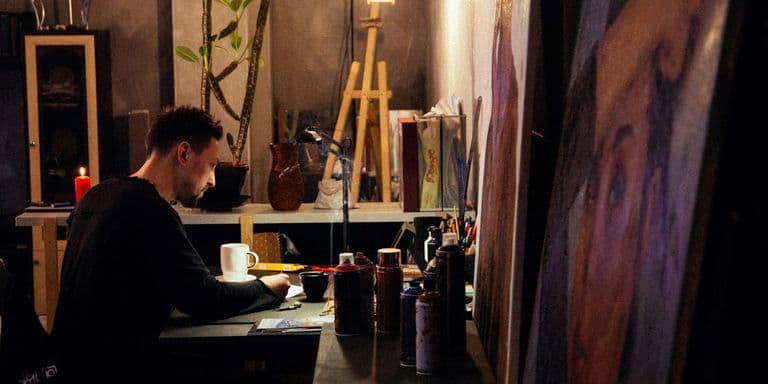
Studio Rituals: The Small Habits That Shape Practice
Artists develop rituals around coffee-making, tool arrangement, and music selection. These small habits aren't superstition but essential creative scaffolding.
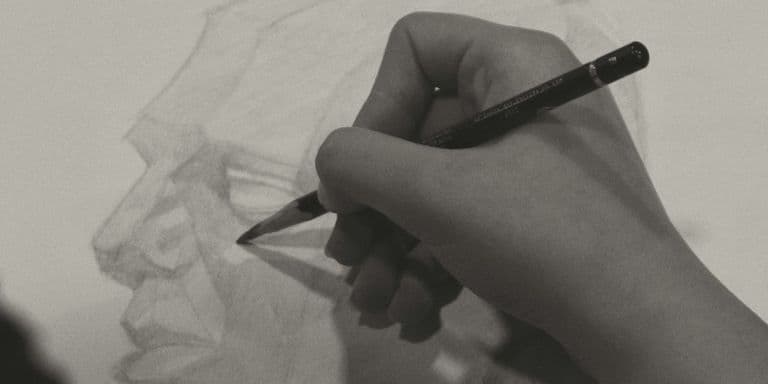
When Artists Know a Work Is Finished
Artists decide when work is finished through intuition, systematic rules, or deadline pressure. Each approach reveals different relationships to completion.