
JournalTopics
Topic
Art
The journal's main archive: art history, technique, how to look at and understand art, and the objects and ideas behind it.
October 2026
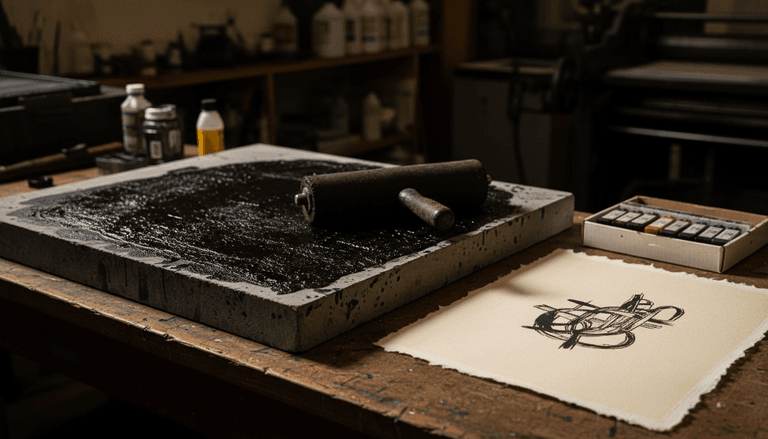
Giclee vs. Lithograph: What Actually Differs
Giclee and lithograph prints look similar framed, but they are made by different processes with different materials — and that changes their longevity and their value.
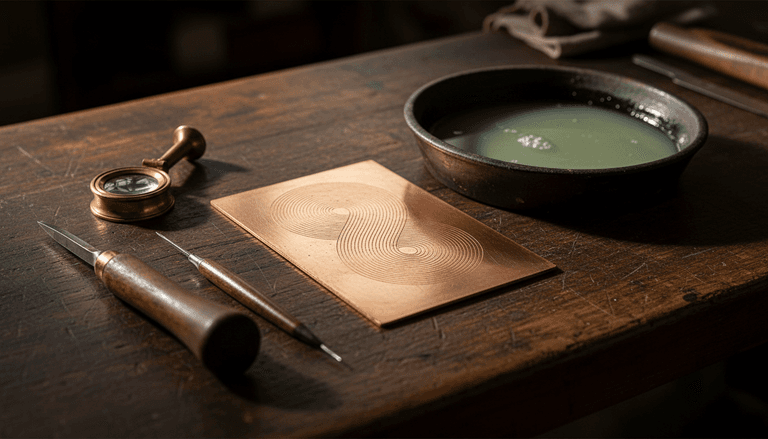
Engraving vs. Etching: How to Actually Tell Them Apart
Both are cut into metal and printed under pressure — but a burin and a needle-plus-acid produce genuinely different lines. Here's how to tell an engraving from an etching with just a loupe.
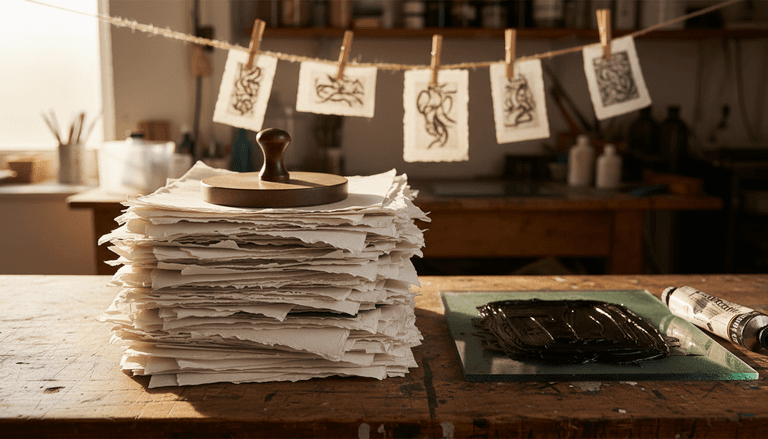
What Is an Artist's Proof?
An artist's proof used to be a working print, pulled to check the image before the edition was run. Now it is often a label — and buyers should know the difference.

Why Artists Started Signing Their Work
The first deliberate artist's signature wasn't reaching for fame — it was reaching for legal credibility. Van Eyck's most famous inscription reads less like a credit line and more like a witness's oath.
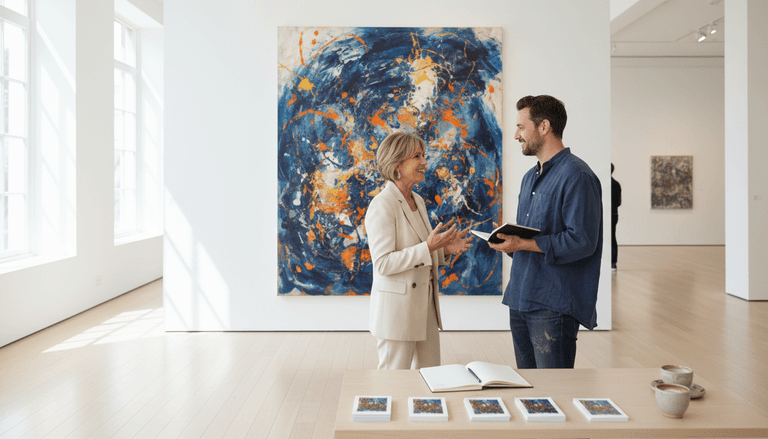
How to Approach a Gallery Without a Cold Pitch
Cold-pitching galleries rarely works. What works is being visible before you ask — through open calls, studio visits, and relationships built over time.
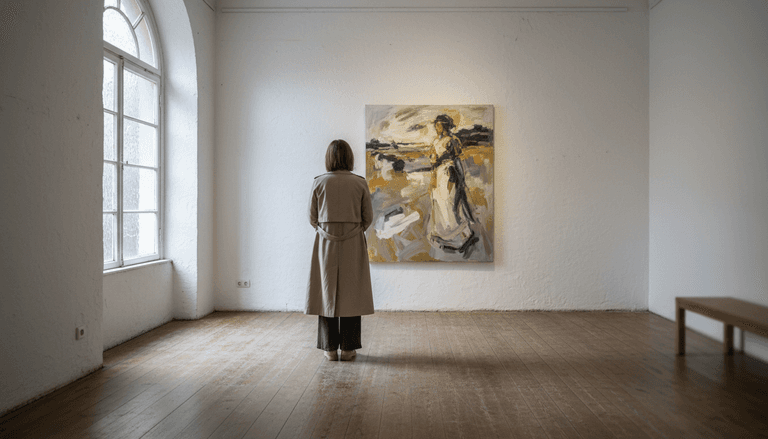
Why Small Galleries Matter More Than Museums
Museums confirm art history; small galleries write it. The work that museums will show in twenty years is usually in a small gallery, or an artist's flat, today.
Advertisement
More from the journal
- Why Your Paintings Look Muddy and How to Fix Color Mixing ProblemsWhy paintings look muddy and how to fix color mixing problems. The science of chromatic neutralization, pigment transparency, and value control in mixing.
- How Pointillism Exploits Optical Mixing vs Pigment MixingThe science behind pointillism's optical color mixing. Why Seurat's dots work at distance but fail up close, and what retinal mixing actually achieves versus theory.
- Why Titanium White Behaves Differently Than Lead WhiteThe chemistry behind titanium white vs lead white in oil painting. Why particle size, opacity mechanisms, and drying chemistry create fundamentally different paint behavior.
May 2026
February 2026
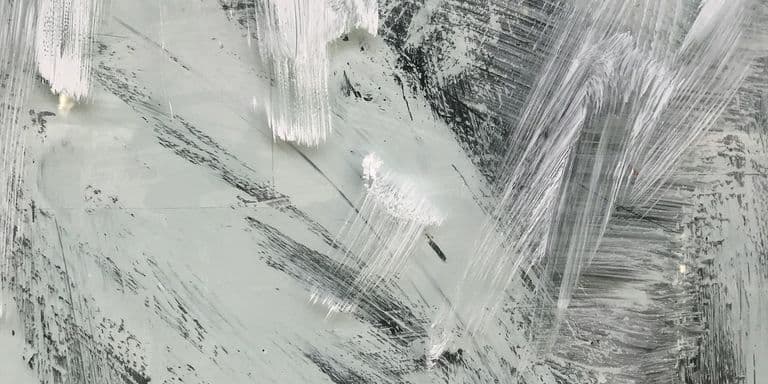
Why Titanium White Behaves Differently Than Lead White
The chemistry behind titanium white vs lead white in oil painting. Why particle size, opacity mechanisms, and drying chemistry create fundamentally different paint behavior.
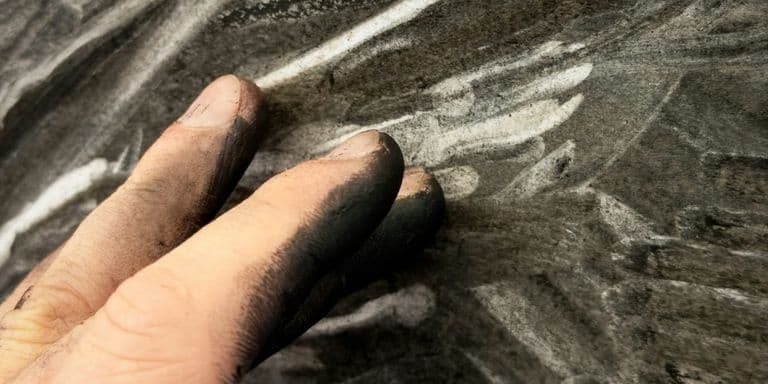
Why Charcoal Smudges Differently on Various Paper Surfaces
The physics of charcoal adhesion to paper. How fiber structure, tooth, and surface energy determine smudging, and why hot press behaves completely differently than cold press.
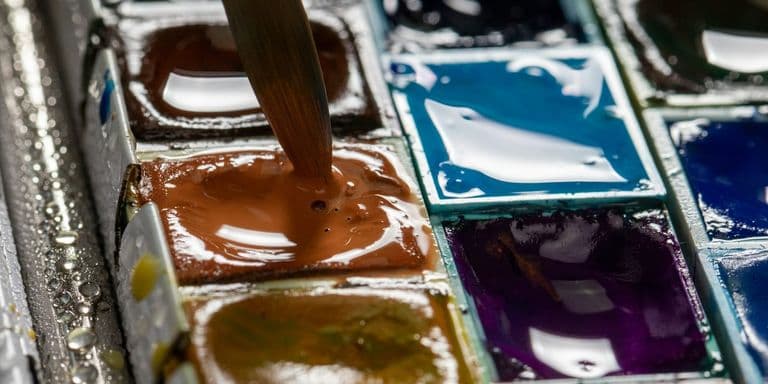
Why Gouache Reactivates With Water While Acrylic Doesn't
The chemistry behind gouache's water solubility versus acrylic's permanent film. Why gum arabic stays reactivatable while acrylic polymers lock permanently.
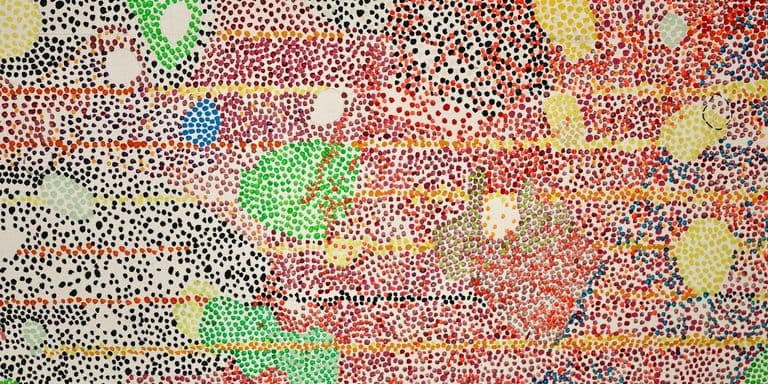
How Pointillism Exploits Optical Mixing vs Pigment Mixing
The science behind pointillism's optical color mixing. Why Seurat's dots work at distance but fail up close, and what retinal mixing actually achieves versus theory.
Advertisement
More from the journal
- Why Your Paintings Look Muddy and How to Fix Color Mixing ProblemsWhy paintings look muddy and how to fix color mixing problems. The science of chromatic neutralization, pigment transparency, and value control in mixing.
- How Pointillism Exploits Optical Mixing vs Pigment MixingThe science behind pointillism's optical color mixing. Why Seurat's dots work at distance but fail up close, and what retinal mixing actually achieves versus theory.
- Why Titanium White Behaves Differently Than Lead WhiteThe chemistry behind titanium white vs lead white in oil painting. Why particle size, opacity mechanisms, and drying chemistry create fundamentally different paint behavior.
Varnishing Oil Paintings Without Yellowing or Blooming
Deep dive into varnish chemistry, resin oxidation, blooming physics, and curing timelines. Learn conservation-grade techniques for permanent protection without yellowing or haze.
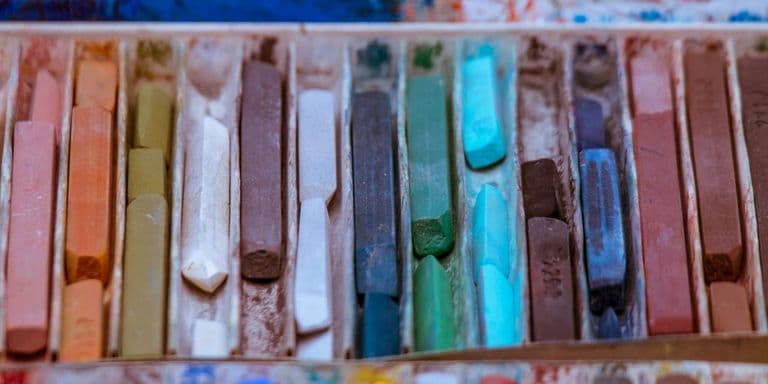
Why Some Pastels Smudge More Than Others
Why some pastels smudge more than others through pigment-to-binder ratios, particle hardness, and paper tooth interaction. The materials science behind pastel adhesion.
How Bioluminescent Bacteria Create Living Paintings
How bioluminescent bacteria create living paintings through luciferin-luciferase reactions. The microbiology, growth requirements, and why most bio art fails.
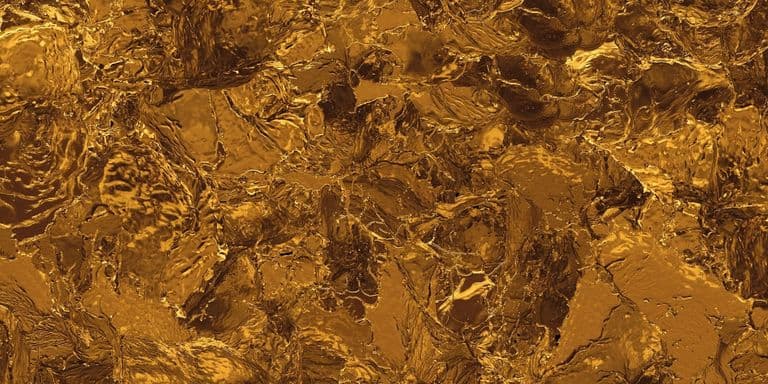
Why Gold Leaf Adheres to Surfaces Without Glue in Gilding
Why gold leaf sticks to surfaces without glue through van der Waals forces and static electricity. The physics and chemistry of traditional water gilding techniques.
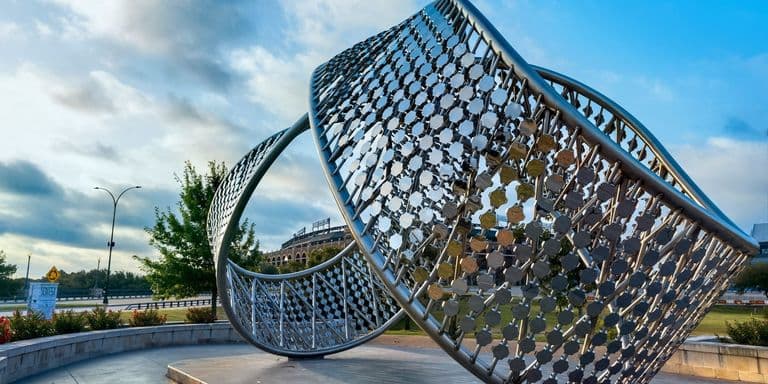
How Rust Behaves in Richard Serra's Weathering Steel Sculptures
How rust behaves in Richard Serra's Cor-Ten steel sculptures. The chemistry of controlled oxidation, protective patina formation, and why some weathering steel fails.
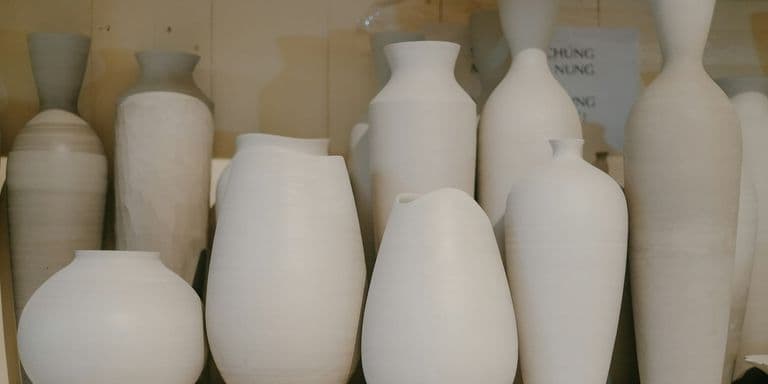
Why Some Glaze Recipes Fail at Different Kiln Temperatures
Why ceramic glazes fail at wrong temperatures. The chemistry of eutectic melting, flux behavior, and how cone 6 glazes can't work at cone 10 or vice versa.
Advertisement
More from the journal
- Why Your Paintings Look Muddy and How to Fix Color Mixing ProblemsWhy paintings look muddy and how to fix color mixing problems. The science of chromatic neutralization, pigment transparency, and value control in mixing.
- How Pointillism Exploits Optical Mixing vs Pigment MixingThe science behind pointillism's optical color mixing. Why Seurat's dots work at distance but fail up close, and what retinal mixing actually achieves versus theory.
- Why Titanium White Behaves Differently Than Lead WhiteThe chemistry behind titanium white vs lead white in oil painting. Why particle size, opacity mechanisms, and drying chemistry create fundamentally different paint behavior.
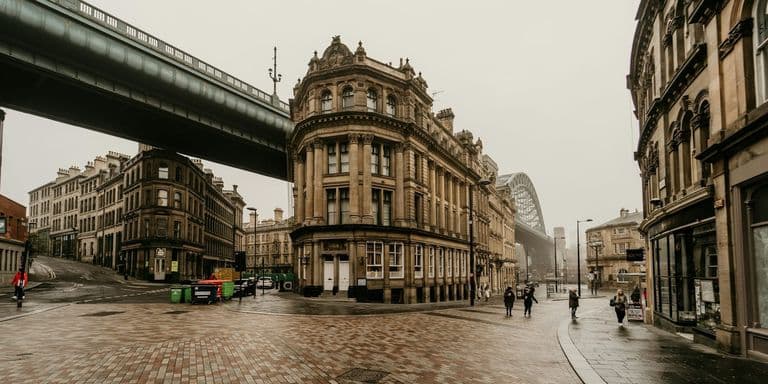
Artist-Run Galleries in Newcastle Worth Visiting Beyond London
Newcastle's artist-run galleries operate in post-industrial spaces along the Quayside and Ouseburn Valley. Northern art scene worth the journey from London.
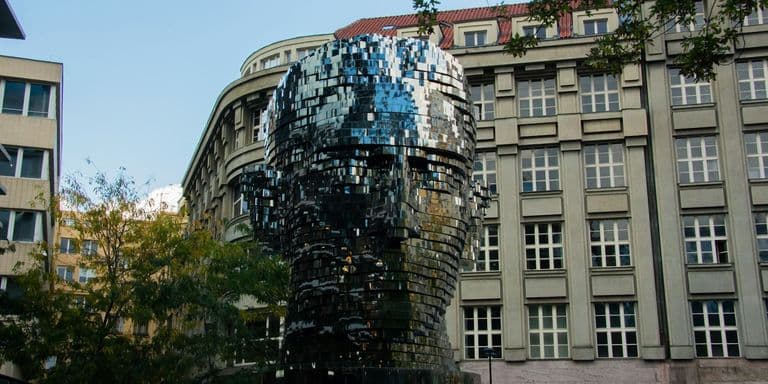
How Calder's Mobiles Work: Kinetic Sculpture and Angular Momentum
How Calder's mobiles work through angular momentum, balance points, and air currents. The physics and engineering behind kinetic sculpture that actually moves.
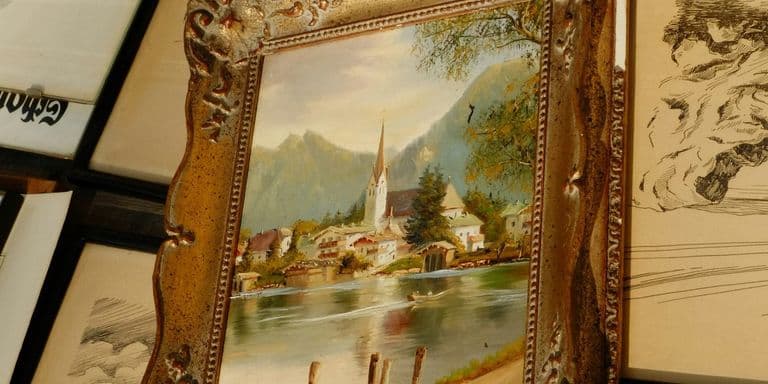
Why Your Paintings Look Muddy and How to Fix Color Mixing Problems
Why paintings look muddy and how to fix color mixing problems. The science of chromatic neutralization, pigment transparency, and value control in mixing.

Small Galleries in Glasgow's Southside You've Never Heard Of
Glasgow's Southside galleries operate in converted warehouses and tenement flats beyond the city center tourist circuit. Artist-run spaces worth the journey.
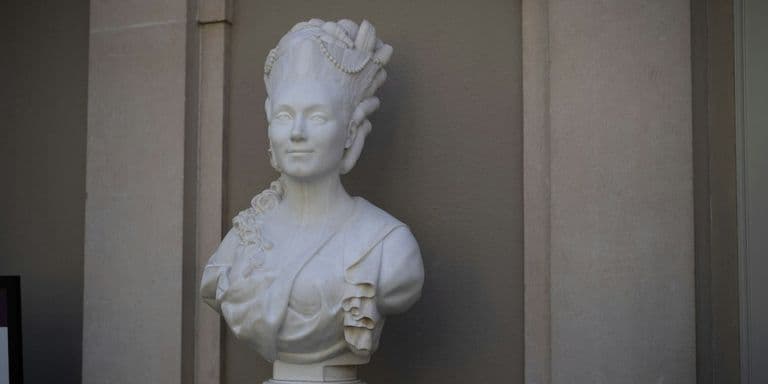
Why Marble Carving Requires Understanding Crystal Structure
Why marble carving requires understanding crystal structure, grain orientation, and cleavage planes. The geology and materials science behind sculptural technique.
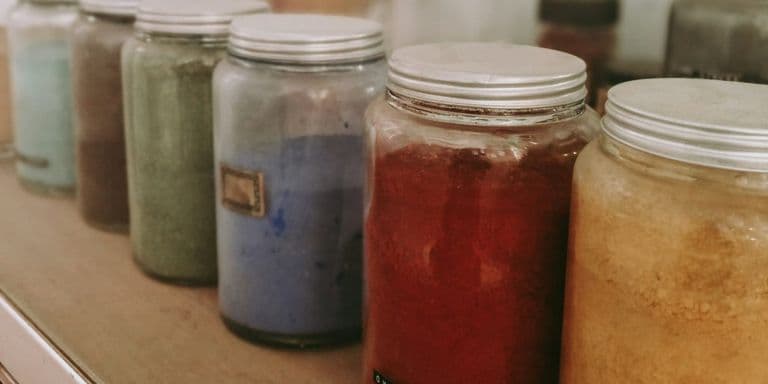
Natural Pigments and the Geology of Color Through History
How geological processes created the pigments that colored art history. From lapis lazuli mines in Afghanistan to ochre deposits shaping cave paintings.
Advertisement
More from the journal
- Why Your Paintings Look Muddy and How to Fix Color Mixing ProblemsWhy paintings look muddy and how to fix color mixing problems. The science of chromatic neutralization, pigment transparency, and value control in mixing.
- How Pointillism Exploits Optical Mixing vs Pigment MixingThe science behind pointillism's optical color mixing. Why Seurat's dots work at distance but fail up close, and what retinal mixing actually achieves versus theory.
- Why Titanium White Behaves Differently Than Lead WhiteThe chemistry behind titanium white vs lead white in oil painting. Why particle size, opacity mechanisms, and drying chemistry create fundamentally different paint behavior.
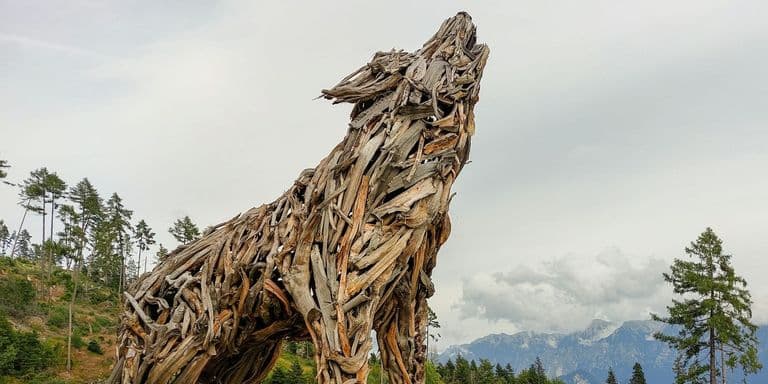
Why Environmental Art Often Gets the Science Wrong
Why environmental art frequently misrepresents ecology, climate science, and biological systems. When good artistic intentions meet bad scientific understanding.
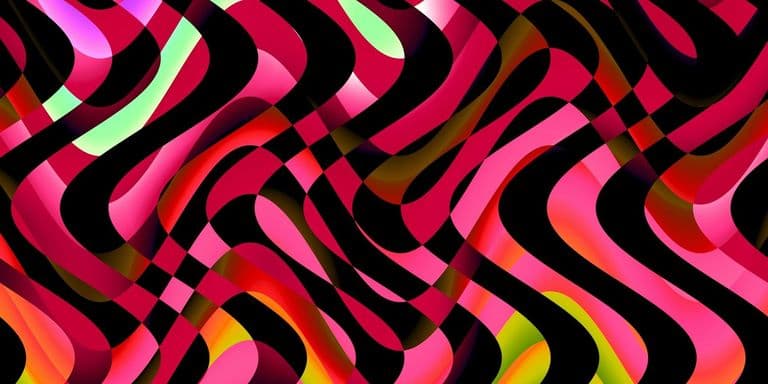
How Artists Use Interference Patterns and Wave Physics in Optical Art
How optical artists use interference patterns from wave physics to create visual effects. The science behind moiré patterns, diffraction, and perceptual illusions.
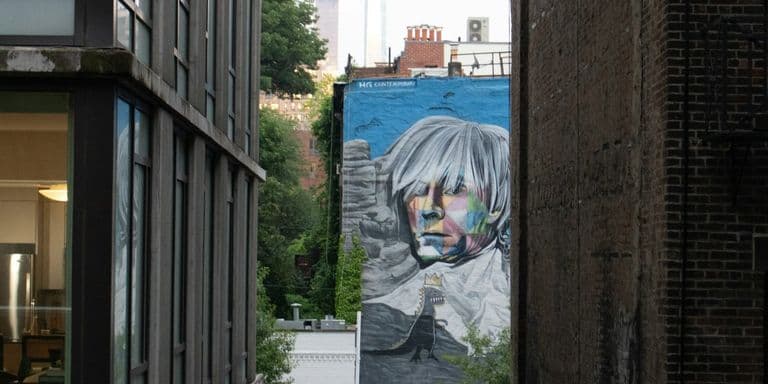
Andy Warhol's Banana and When Pop Art Became Music Packaging
Warhol's banana for Velvet Underground changed album covers from commercial packaging to fine art. How pop art infiltrated music industry design forever.
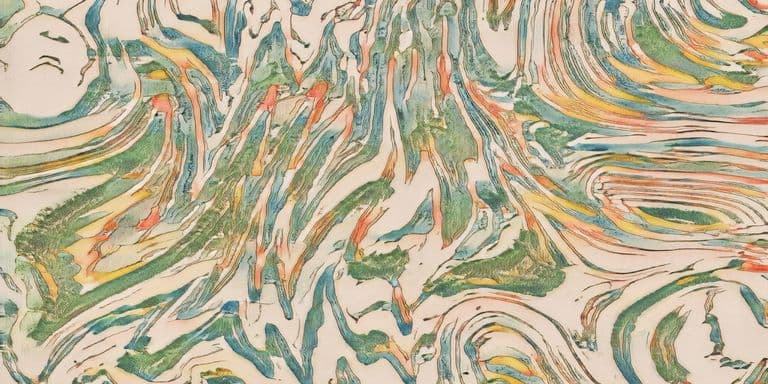
How Synesthesia Influenced Kandinsky's Abstract Paintings
Kandinsky's synesthesia made him see colors when hearing music. How this neurological condition shaped the first abstract paintings and color-music theories.
Pueblo Pottery Techniques That Predate European Ceramic Technology
Pueblo pottery techniques achieved results European ceramics couldn't match for centuries. Burnished surfaces, slip painting, and firing without kilns.
How Clay Body Composition Affects Warping in Large Sculptural Forms
Why large ceramic sculptures warp and crack during drying. How clay body composition, particle size, and grog content determine whether ambitious forms survive.
Advertisement
More from the journal
- Why Your Paintings Look Muddy and How to Fix Color Mixing ProblemsWhy paintings look muddy and how to fix color mixing problems. The science of chromatic neutralization, pigment transparency, and value control in mixing.
- How Pointillism Exploits Optical Mixing vs Pigment MixingThe science behind pointillism's optical color mixing. Why Seurat's dots work at distance but fail up close, and what retinal mixing actually achieves versus theory.
- Why Titanium White Behaves Differently Than Lead WhiteThe chemistry behind titanium white vs lead white in oil painting. Why particle size, opacity mechanisms, and drying chemistry create fundamentally different paint behavior.
The Rothko Effect and How Large Color Fields Create Emotional Response
Why Rothko's paintings make people cry and how large color fields trigger emotional response. The phenomenology, neuroscience, and technique behind the effect.
How Color Symbolism in Religious Painting Changed Across Centuries
Religious painting color symbolism changed dramatically across centuries. Blue shifted from modest to divine, gold lost dominance, and meaning evolved with theology.
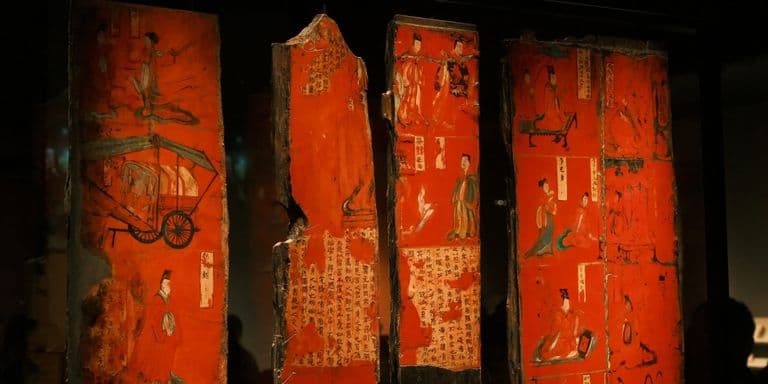
Why Red Means Different Things in Western and Chinese Painting
Red means aggression in Western painting but celebration in Chinese art. How cultural context changes color symbolism and what artists need to understand.
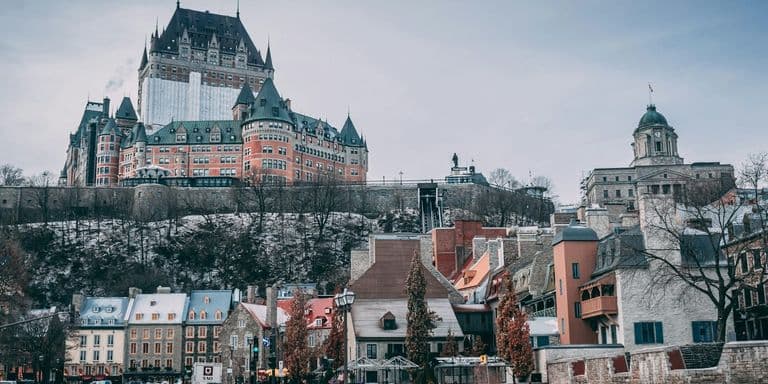
Quebec City's Small Gallery Scene: Navigating Language and Regional Art Politics
Quebec City's small galleries navigate linguistic politics and regional identity that anglophone Canada ignores. Francophone contemporary art beyond Montreal hype.
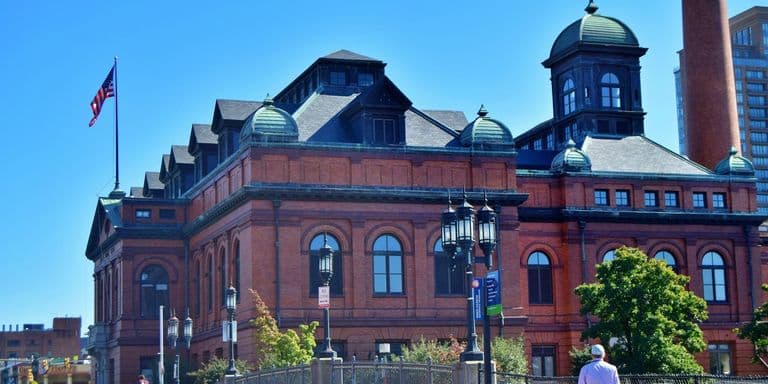
Baltimore's Station North Artist-Run Galleries: A Neighborhood Guide
Baltimore's Station North artist-run galleries in converted rowhouses and warehouses. Complete neighborhood guide to experimental spaces DC and Philly ignore.
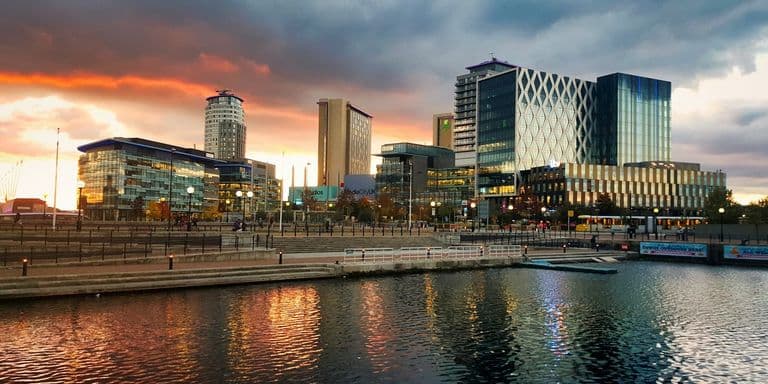
Small Galleries in Manchester's Northern Quarter Actually Worth the Train from London
Manchester's Northern Quarter galleries showing work that justifies the train from London. Industrial spaces, experimental programming, and prices you can afford.
Advertisement
More from the journal
- Why Your Paintings Look Muddy and How to Fix Color Mixing ProblemsWhy paintings look muddy and how to fix color mixing problems. The science of chromatic neutralization, pigment transparency, and value control in mixing.
- How Pointillism Exploits Optical Mixing vs Pigment MixingThe science behind pointillism's optical color mixing. Why Seurat's dots work at distance but fail up close, and what retinal mixing actually achieves versus theory.
- Why Titanium White Behaves Differently Than Lead WhiteThe chemistry behind titanium white vs lead white in oil painting. Why particle size, opacity mechanisms, and drying chemistry create fundamentally different paint behavior.
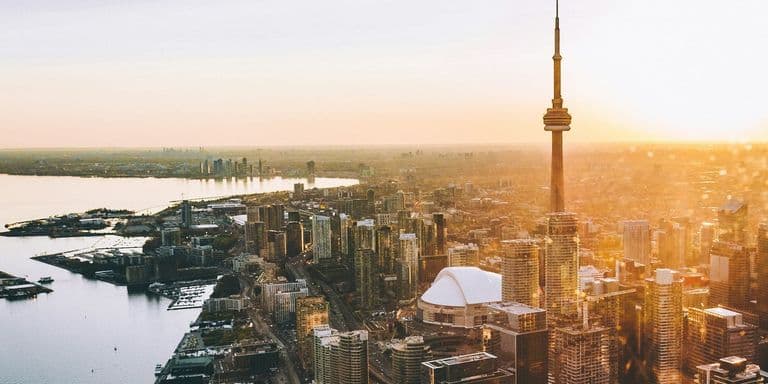
Small Artist-Run Galleries in Toronto's Junction Triangle Actually Showing Experimental Work
Toronto's Junction Triangle artist-run galleries showing experimental work that major commercial spaces won't touch. Real risk-taking in former industrial buildings.
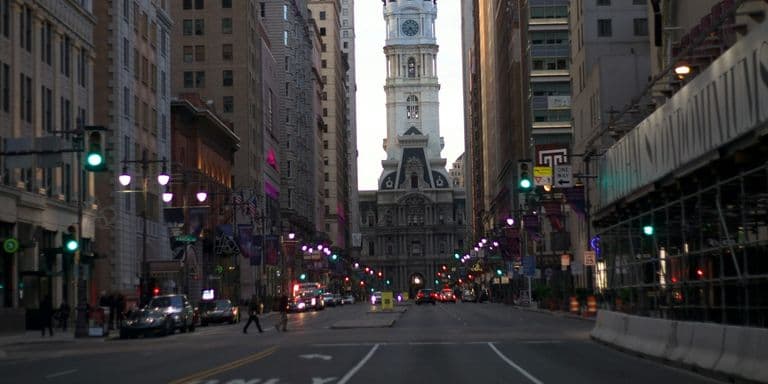
Storefront Galleries in Philadelphia You've Never Heard Of But Should Visit
Philadelphia's gallery scene operates in the shadow of New York, two hours north by train. Collectors make day trips to Chelsea instead of supporting local spaces. The art press barely acknowledges anything happening between Manhattan and DC.
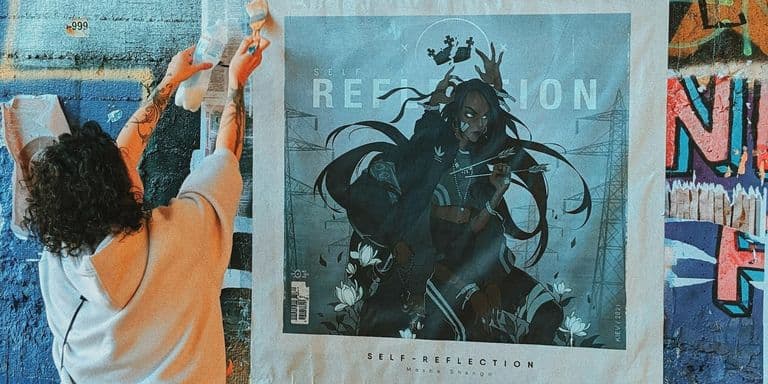
How Regional Artists Actually Get Into Local Group Shows Without Gallery Representation
Regional artists reveal how they actually get into local group shows. Application strategies, curator relationships, and portfolio approaches that work.
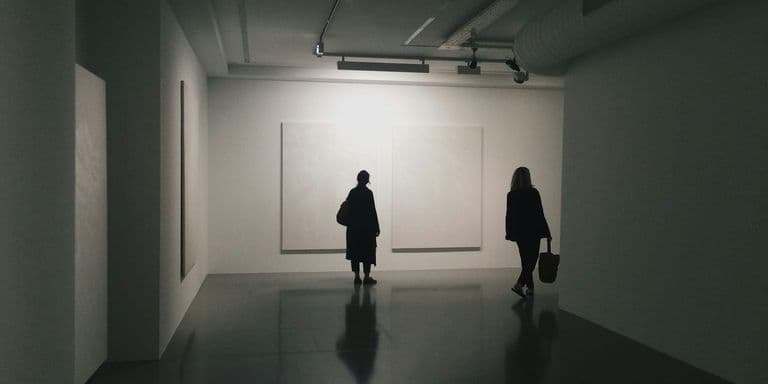
Hidden Gallery Districts Worth Traveling For: Regional US Art Scenes Beyond Major Cities
Discover overlooked gallery districts across the US where emerging artists show experimental work. From Marfa to Hudson, explore regional art scenes worth the trip.
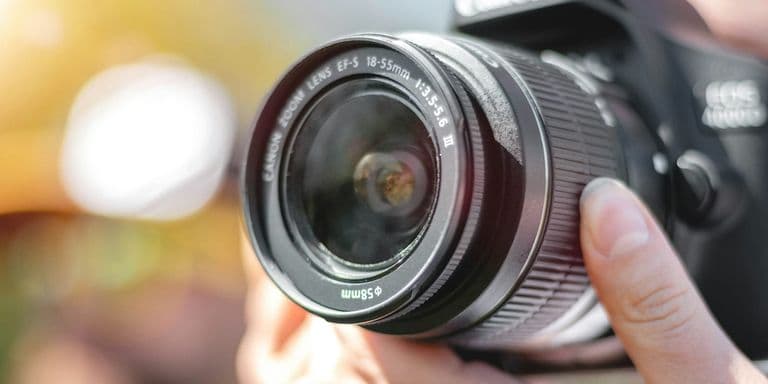
What's the Point of Abstraction When Photography Exists?
Photography didn't force abstraction—abstract work treats color, form, and composition as primary content rather than representation tools. It creates experiences, investigates perception, and addresses concerns representation can't accommodate.
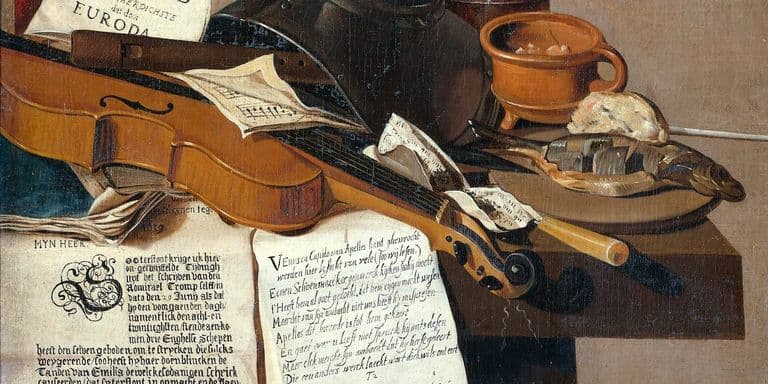
Reading Art History as a Practicing Artist
Art historians analyze meaning and context. Practicing artists need technical knowledge—how historical work was made, what compositional strategies organized it, what material approaches it demonstrates. Learn to extract studio-applicable knowledge from art history.
Advertisement
More from the journal
- Why Your Paintings Look Muddy and How to Fix Color Mixing ProblemsWhy paintings look muddy and how to fix color mixing problems. The science of chromatic neutralization, pigment transparency, and value control in mixing.
- How Pointillism Exploits Optical Mixing vs Pigment MixingThe science behind pointillism's optical color mixing. Why Seurat's dots work at distance but fail up close, and what retinal mixing actually achieves versus theory.
- Why Titanium White Behaves Differently Than Lead WhiteThe chemistry behind titanium white vs lead white in oil painting. Why particle size, opacity mechanisms, and drying chemistry create fundamentally different paint behavior.
January 2026
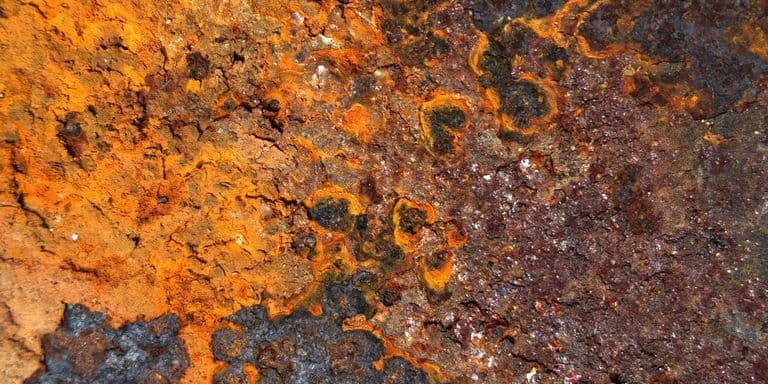
Rust, Patina, and Controlled Corrosion as Artistic Process
Rust, verdigris, and controlled corrosion create surfaces through chemical transformation and time. Weathering steel develops protective rust layers while bronze patinas over decades through environmental exposure and accelerated chemical processes.
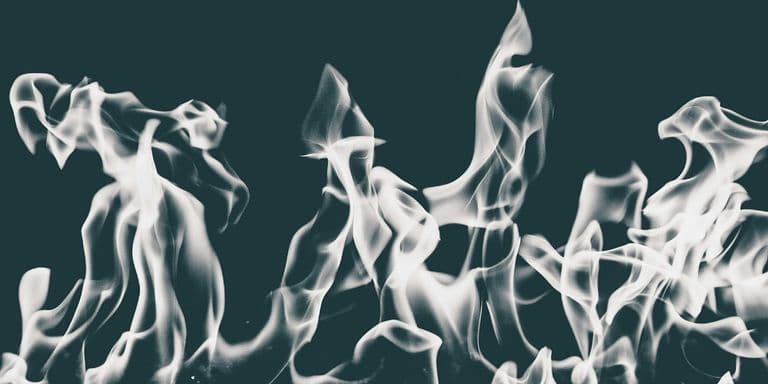
Using Explosives, Fire, and Destruction to Create Art
Gunpowder explosions, torch scorching, acid corrosion, and deliberate destruction create art through violent transformation. Fire and explosives require serious safety protocols but enable effects construction can't achieve.
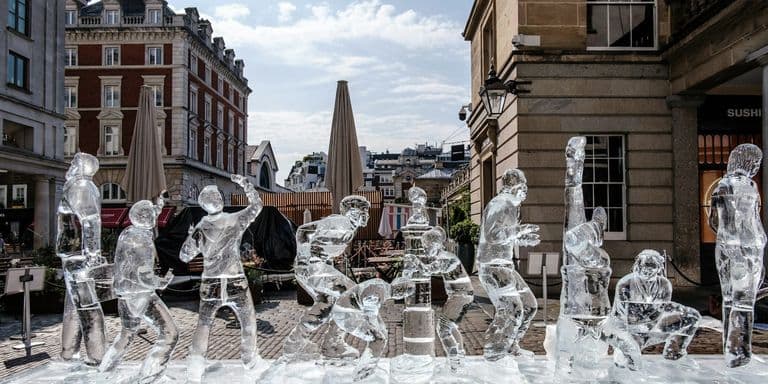
Sculpture From Ice, Wax, and Other Materials Designed to Transform
Ice melts, wax flows, chocolate rots—materials hovering between solid and liquid states make impermanence visible. Temperature-sensitive sculpture embraces transformation that stable materials can't address.
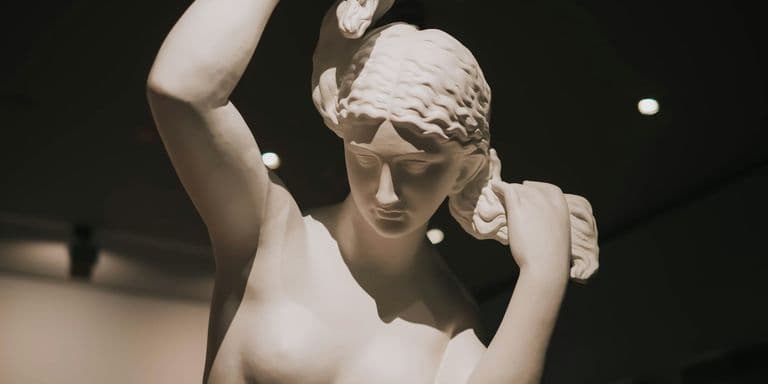
How Light Creates Form, Space, and Meaning
Light reveals form through shadow modeling, creates depth through atmospheric perspective, and carries symbolic weight through cultural associations. Direction, quality, color, and intensity determine spatial, emotional, and psychological effects.
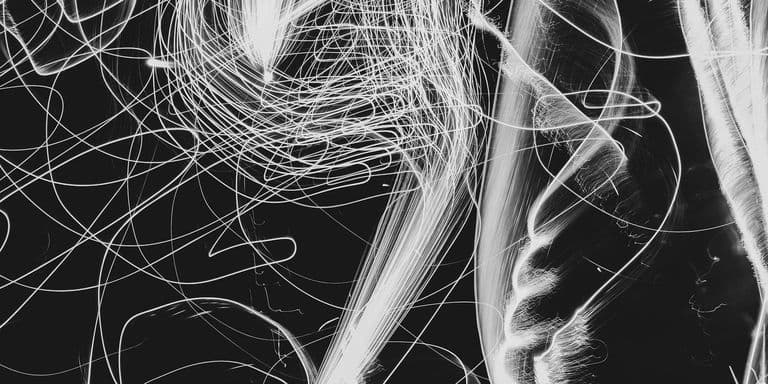
Why Some Lines Feel Alive and Others Feel Dead
Line weight, speed, pressure, and continuity determine whether marks feel alive or dead. Gestural energy, tool response, and physical commitment create lines that record movement and intention, not just outlines.
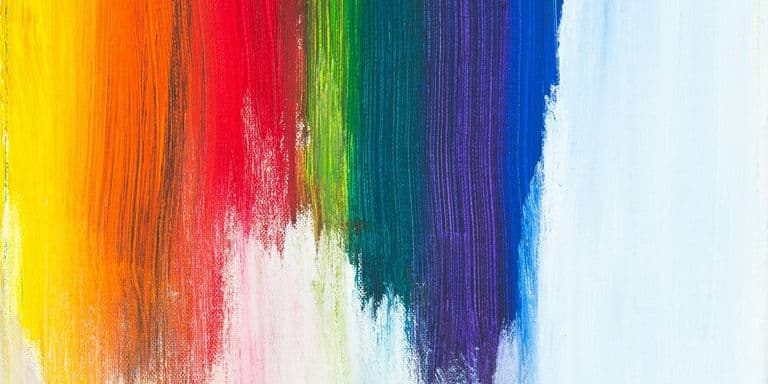
The Only Color Theory Guide You Actually Need
Color theory isn't rules to memorize but frameworks for understanding how wavelengths, perception, and mixing actually work. Hue, value, saturation, temperature, bias, and context determine whether color serves concepts or just decorates surfaces.
Advertisement
More from the journal
- Why Your Paintings Look Muddy and How to Fix Color Mixing ProblemsWhy paintings look muddy and how to fix color mixing problems. The science of chromatic neutralization, pigment transparency, and value control in mixing.
- How Pointillism Exploits Optical Mixing vs Pigment MixingThe science behind pointillism's optical color mixing. Why Seurat's dots work at distance but fail up close, and what retinal mixing actually achieves versus theory.
- Why Titanium White Behaves Differently Than Lead WhiteThe chemistry behind titanium white vs lead white in oil painting. Why particle size, opacity mechanisms, and drying chemistry create fundamentally different paint behavior.
Machine Learning for Generative Art Without the Hype
Machine learning does sophisticated pattern matching and statistical generation, not magic. Understanding when it's actually useful versus when simpler approaches work better cuts through hype and enables critical use as artistic tool.

Phenomenology for Artists: Merleau-Ponty's Ideas Applied to Studio Practice
Merleau-Ponty wrote about perception, embodied experience, and how meaning emerges through our bodies encountering the world. His phenomenology gives artists rigorous framework for working with perception as primary material.
Collaborating With Musicians When You're a Visual Artist
Musicians think temporally. Visual artists think spatially. Successful collaboration requires understanding both practices, communicating clearly without micromanaging, and building relationships where sound and visuals genuinely integrate.
Why Musicians Should Think Like Visual Artists About Space and Installation
Concert halls trap music in time. Installation lets sound occupy space like sculpture. Musicians who think architecturally about acoustics, visitor movement, and site-specificity create work that concerts can't accommodate.
Research Methods for Artists Who Want More Than Visual Inspiration
Pinterest gives you aesthetics but not ideas. Real artistic research means reading outside art, testing materials systematically, visiting archives, conducting interviews, and building knowledge that transforms your work from attractive to substantive.
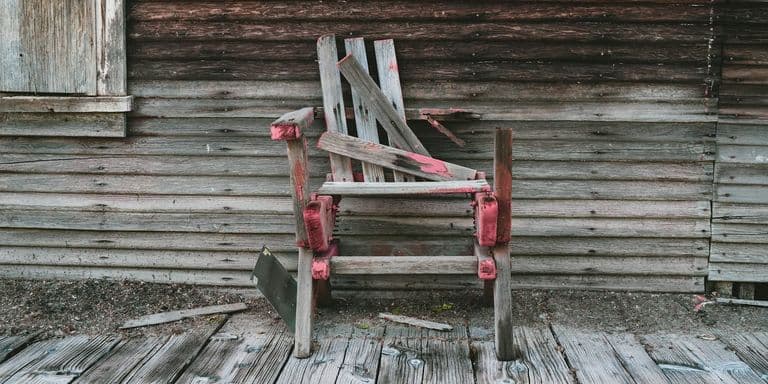
Found Objects Do Things That New Materials Can't
Rusted gears and broken furniture carry histories that new materials can't fake. Found objects bring embedded meaning, authentic wear, and cultural weight to sculpture, but only when you understand what they actually do beyond being free material.
Advertisement
More from the journal
- Why Your Paintings Look Muddy and How to Fix Color Mixing ProblemsWhy paintings look muddy and how to fix color mixing problems. The science of chromatic neutralization, pigment transparency, and value control in mixing.
- How Pointillism Exploits Optical Mixing vs Pigment MixingThe science behind pointillism's optical color mixing. Why Seurat's dots work at distance but fail up close, and what retinal mixing actually achieves versus theory.
- Why Titanium White Behaves Differently Than Lead WhiteThe chemistry behind titanium white vs lead white in oil painting. Why particle size, opacity mechanisms, and drying chemistry create fundamentally different paint behavior.
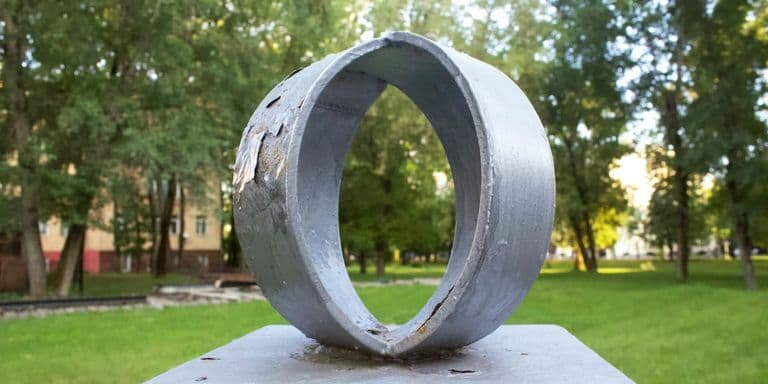
What Actually Survives Outside: Material Realities of Outdoor Sculpture
Rain, sun, freezing, and vandalism destroy outdoor sculpture constantly. Learn which materials actually survive, how weather degrades everything, what protective coatings do and don't prevent, and why bronze still dominates public art.
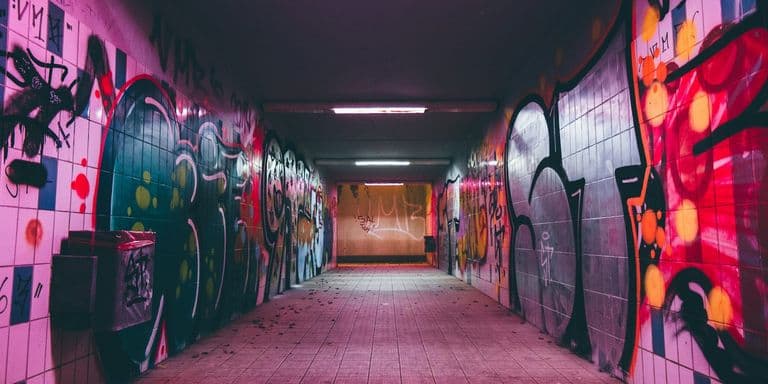
Street Art's Awkward Journey From Illegal Walls to White Cube Galleries
Street art moved from illegal walls to museum exhibitions and million-dollar auctions. Learn what's lost when transgressive public work becomes gallery commodity, how gentrification uses street art, and whether the practice means anything distinct anymore.
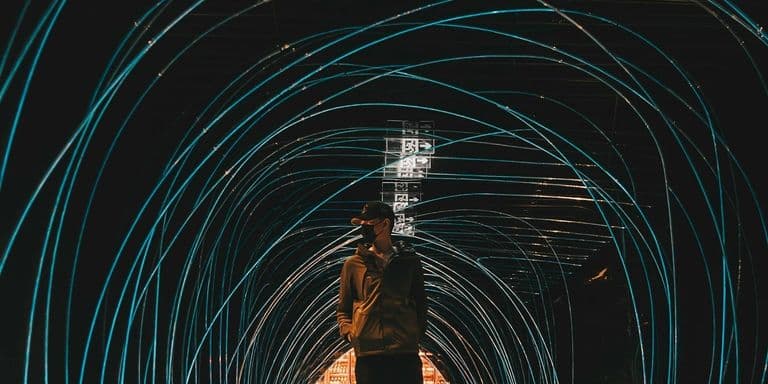
Making Sculpture From Light, Sound, and Things You Can't Touch
Light, sound, and atmosphere create sculpture without objects. Learn when immaterial elements serve concepts better than physical materials, what technical skills you need, and how to make work that exists as experience rather than thing.
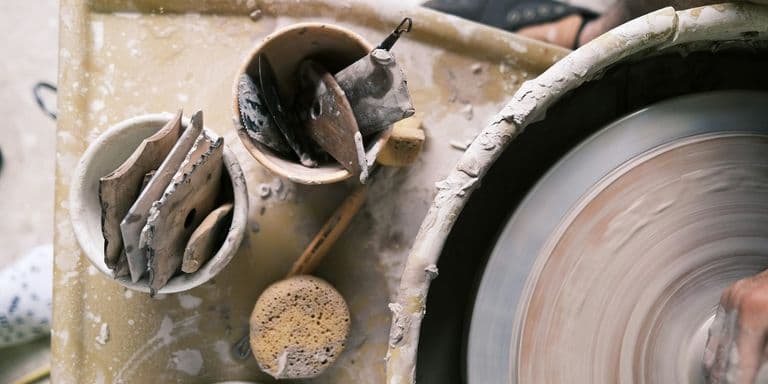
Why Ceramics Struggles for Respect in Contemporary Art (And Why That's Changing)
Ceramics fights for contemporary art recognition despite persistent craft stigma. Learn why clay struggles institutionally, which artists are changing that, and how to navigate the ceramic artist's complicated professional path.
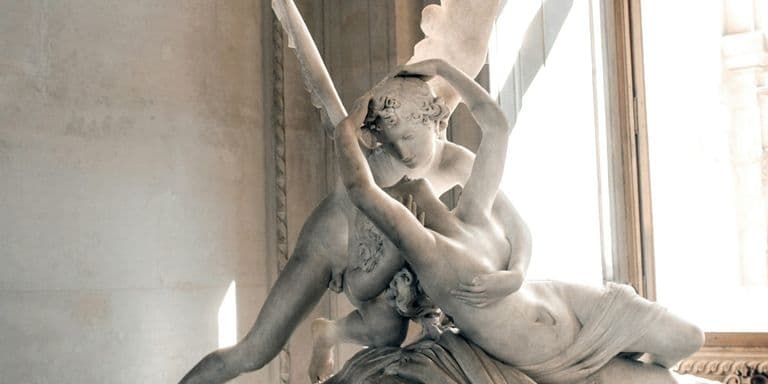
Scale and Site: Why Size Matters More Than You Think in Sculpture
Scale fundamentally changes how sculpture functions and what it means.
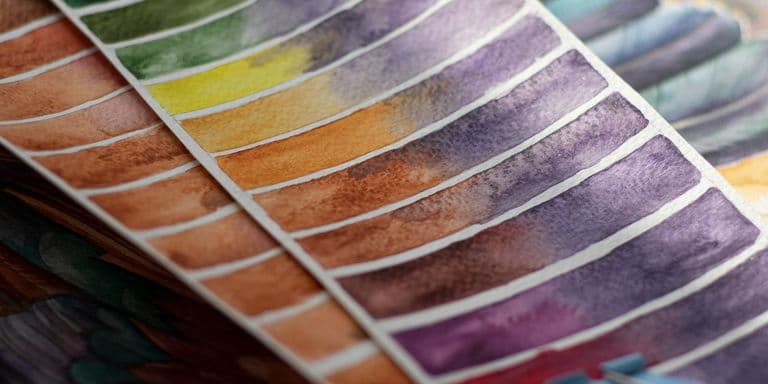
Color Bias and Mixing: Why Your Combinations Don't Match Your Expectations
Why do some color mixtures work perfectly while others turn muddy? Understanding color bias in paint transforms frustrating mixing into predictable control.
Advertisement
More from the journal
- Why Your Paintings Look Muddy and How to Fix Color Mixing ProblemsWhy paintings look muddy and how to fix color mixing problems. The science of chromatic neutralization, pigment transparency, and value control in mixing.
- How Pointillism Exploits Optical Mixing vs Pigment MixingThe science behind pointillism's optical color mixing. Why Seurat's dots work at distance but fail up close, and what retinal mixing actually achieves versus theory.
- Why Titanium White Behaves Differently Than Lead WhiteThe chemistry behind titanium white vs lead white in oil painting. Why particle size, opacity mechanisms, and drying chemistry create fundamentally different paint behavior.
December 2025
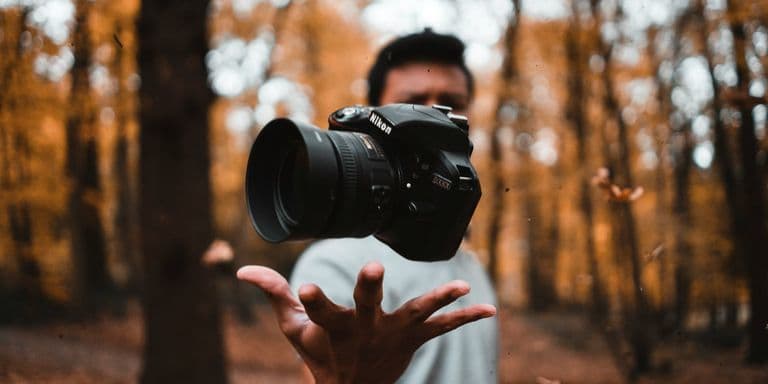
How Photography's Relationship to Reality Shapes Meaning
Photographs are physical traces of what existed, not just pictures. This indexical relationship to reality creates unique conceptual possibilities and limits that distinguish photography from every other visual medium.
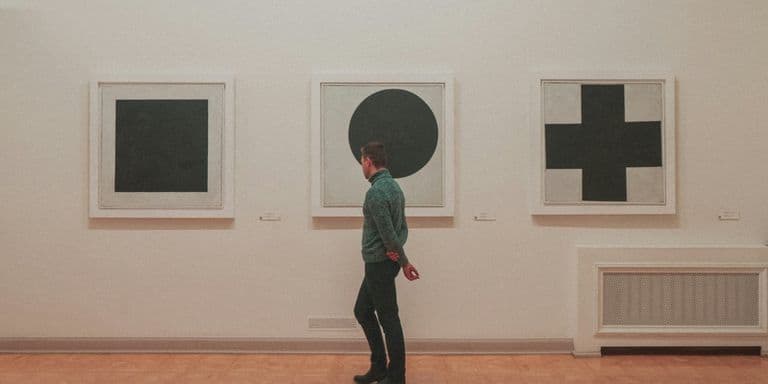
How Constraints Create Conceptual Depth in Art
Unlimited freedom paralyzes artists. Sol LeWitt's limited media, Morandi's restricted palette, and On Kawara's daily discipline reveal how material, temporal, and conceptual constraints force deeper investigation than infinite options ever could.
Developing an Art Concept Across a Body of Work
Three paintings suggest an idea. Ten begin exploration. Twenty might complete it. Learn how to sustain conceptual investigation across multiple works, when repetition serves exploration versus empty redundancy, and how to build bodies of work with genuine depth rather than just matching aesthetics.

The Difference Between Subject Matter and Concept
You paint mountains, but what are you actually exploring through them? Subject matter is what appears in your work. Concept is what you're investigating. Understanding this difference changes everything about how you develop and talk about your practice.
November 2025
Working with Unconventional Materials in Art
Unconventional materials strengthen work when their properties and cultural associations serve your concepts, not when they're just surprising. The distinction matters more than the materials themselves.
Making Art About Places Without Sentimentality
Land, environment, and location are central to contemporary practice, but place-based work often slides into postcard territory. Here's how artists engage with geography as concept rather than backdrop.
Advertisement
More from the journal
- Why Your Paintings Look Muddy and How to Fix Color Mixing ProblemsWhy paintings look muddy and how to fix color mixing problems. The science of chromatic neutralization, pigment transparency, and value control in mixing.
- How Pointillism Exploits Optical Mixing vs Pigment MixingThe science behind pointillism's optical color mixing. Why Seurat's dots work at distance but fail up close, and what retinal mixing actually achieves versus theory.
- Why Titanium White Behaves Differently Than Lead WhiteThe chemistry behind titanium white vs lead white in oil painting. Why particle size, opacity mechanisms, and drying chemistry create fundamentally different paint behavior.
October 2025

Yellow Is the Most Difficult Color and Most Artists Get It Wrong
Yellow is tricky because it loses its identity faster than any other color. Too much white and it disappears, too much of anything else and it turns green or orange or brown before you realize what happened.
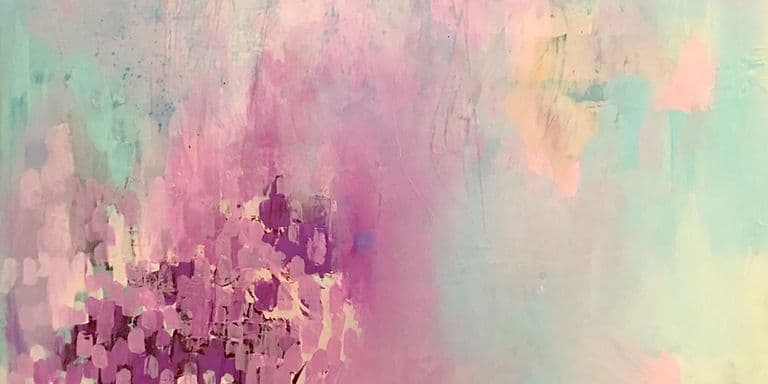
Understanding Abstract Art: Beyond 'My Kid Could Do That'
Why does abstract art matter if anyone could make it? Discover what abstraction offers beyond representation and how to engage with challenging visual work.
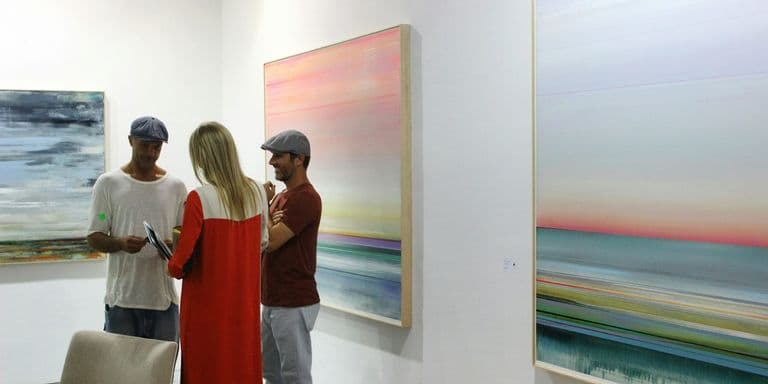
How to Experience Art Exhibitions Meaningfully
Transform museum visits from overwhelming to meaningful. Practical strategies for engaging deeply with exhibitions through pacing, attention, and reflection.

Reading Symbolism in Art: A Practical Guide
Decode the hidden meanings in artwork. Practical guide to recognizing symbols, understanding cultural context, and interpreting visual metaphors.
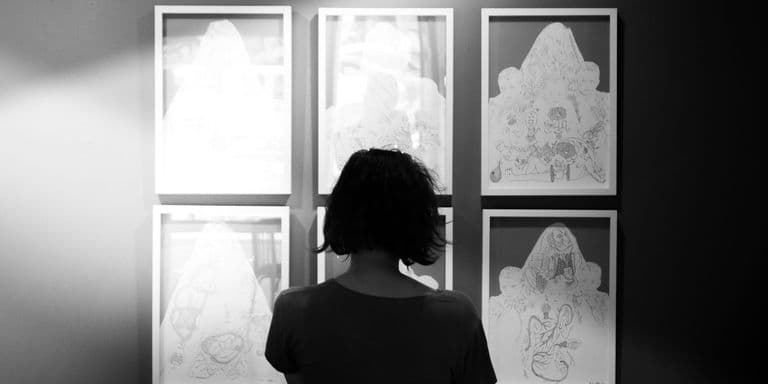
Why Beauty Isn't Enough: Art's Purpose in Modern Life
Art serves purposes far deeper than decoration. Explore how art functions as cultural critique, intellectual challenge, and essential human expression.
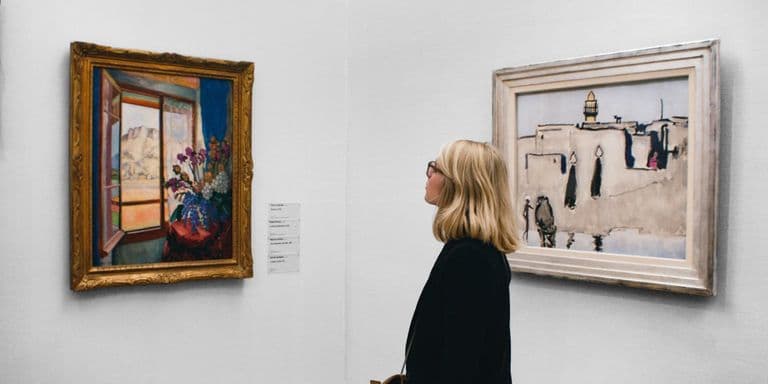
How to Develop Visual Literacy: Reading Art Like a Critical Thinker
See more in every artwork. Master observation, description, and analysis skills that transform casual viewing into sophisticated visual engagement.
Advertisement
More from the journal
- Why Your Paintings Look Muddy and How to Fix Color Mixing ProblemsWhy paintings look muddy and how to fix color mixing problems. The science of chromatic neutralization, pigment transparency, and value control in mixing.
- How Pointillism Exploits Optical Mixing vs Pigment MixingThe science behind pointillism's optical color mixing. Why Seurat's dots work at distance but fail up close, and what retinal mixing actually achieves versus theory.
- Why Titanium White Behaves Differently Than Lead WhiteThe chemistry behind titanium white vs lead white in oil painting. Why particle size, opacity mechanisms, and drying chemistry create fundamentally different paint behavior.
The Psychology of Art Collecting: Why We Buy What We Buy
Explore why collectors buy art beyond investment. Deep analysis of identity, emotion, control, and meaning in art collecting psychology and motivation.
How to Understand Contemporary Art: A Complete Guide
Learn how to understand contemporary art through critical frameworks, visual literacy, and context. Expert guide to interpreting challenging work.
Fine Art Print Value: A Comprehensive Guide to Assessment and Understanding
Discover what determines fine art print value. Expert analysis of artist reputation, edition size, condition, provenance, and market forces affecting print worth.

The Ultimate Guide to Understanding Different Types of Art Prints: Giclee, Lithographs, and More
Limited Edition vs. Open Edition Prints: Which Is Right for You?
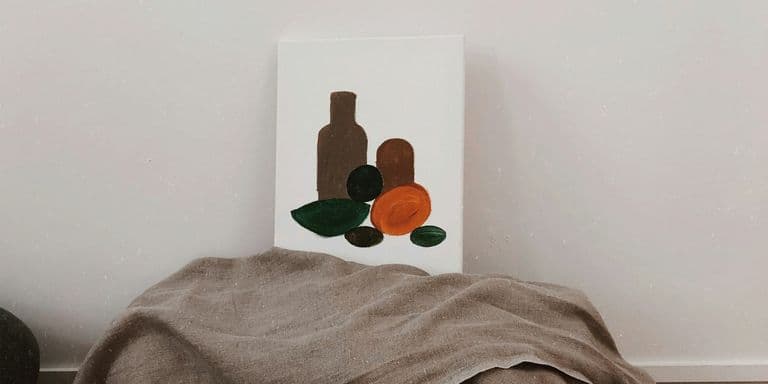
How to Frame and Display Fine Art Prints to Enhance Your Space
Advertisement
More from the journal
- Why Your Paintings Look Muddy and How to Fix Color Mixing ProblemsWhy paintings look muddy and how to fix color mixing problems. The science of chromatic neutralization, pigment transparency, and value control in mixing.
- How Pointillism Exploits Optical Mixing vs Pigment MixingThe science behind pointillism's optical color mixing. Why Seurat's dots work at distance but fail up close, and what retinal mixing actually achieves versus theory.
- Why Titanium White Behaves Differently Than Lead WhiteThe chemistry behind titanium white vs lead white in oil painting. Why particle size, opacity mechanisms, and drying chemistry create fundamentally different paint behavior.