
The archive
Journal
Everything published on materials, colour, technique, art history, exhibitions, and conservation — newest first.
October 2026
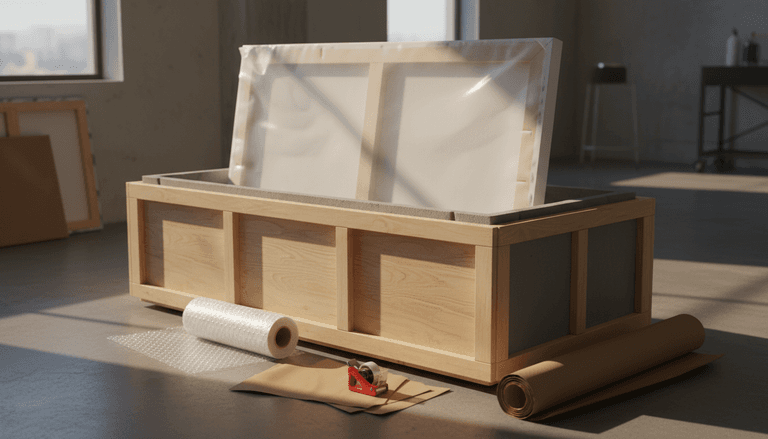
How to Ship a Painting Without Damage
Shipping is where good work gets ruined. Learn how to pack canvases, panels, and paper so they survive the trip, and what to do about insurance and tracking.

Artist Contracts and Consignment Agreements Explained
Before you hand work to a gallery, know what the contract says. Learn the consignment terms that protect you and the red flags worth walking away from.
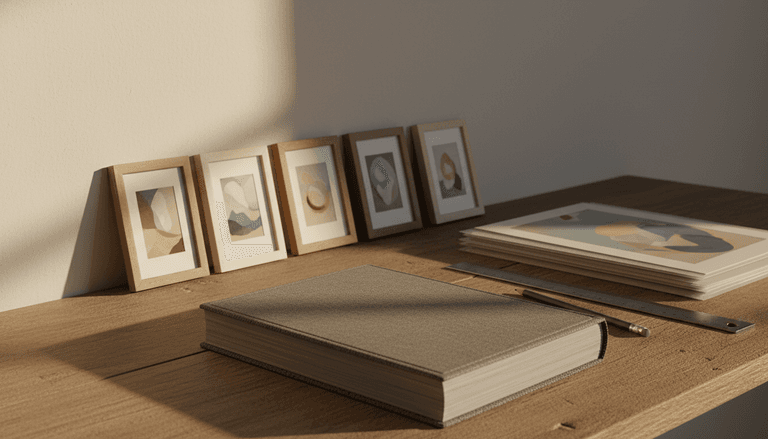
How to Price Art Prints (Not Originals)
Print pricing follows different rules than original work. Learn a cost-plus method, how edition size shifts value, and when to raise your prices.
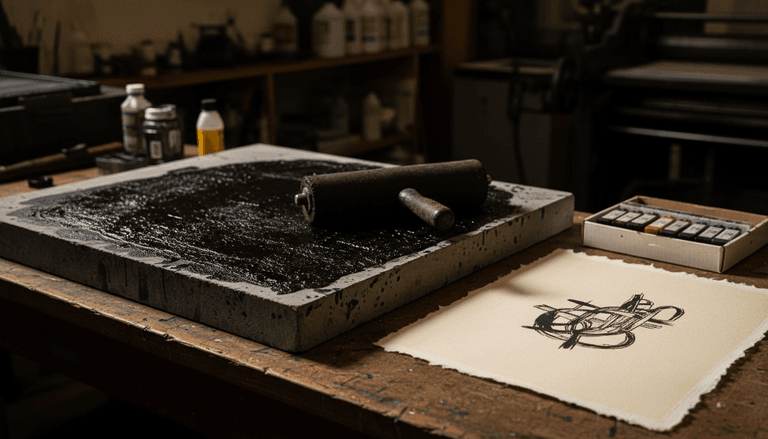
Giclee vs. Lithograph: What Actually Differs
Giclee and lithograph prints look similar framed, but they are made by different processes with different materials — and that changes their longevity and their value.
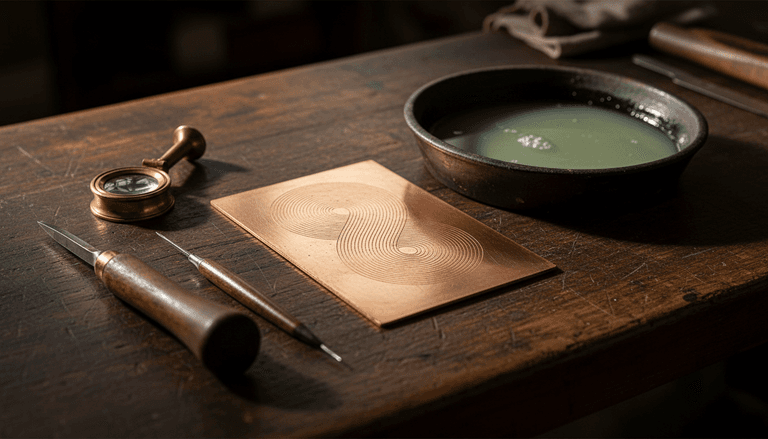
Engraving vs. Etching: How to Actually Tell Them Apart
Both are cut into metal and printed under pressure — but a burin and a needle-plus-acid produce genuinely different lines. Here's how to tell an engraving from an etching with just a loupe.
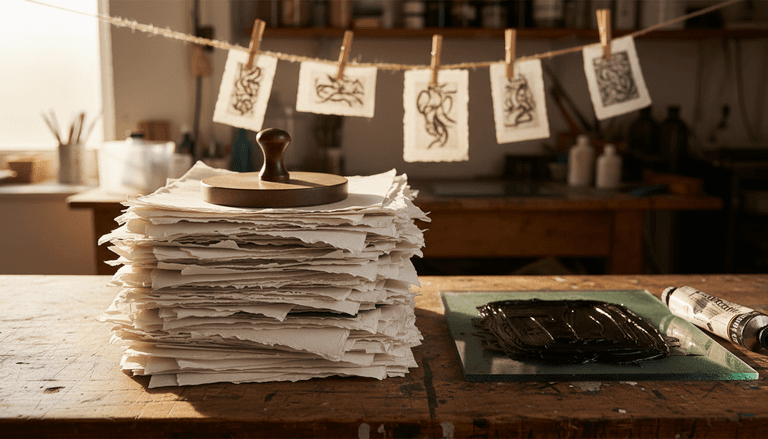
What Is an Artist's Proof?
An artist's proof used to be a working print, pulled to check the image before the edition was run. Now it is often a label — and buyers should know the difference.
Advertisement
More from the journal
- Why Your Paintings Look Muddy and How to Fix Color Mixing ProblemsWhy paintings look muddy and how to fix color mixing problems. The science of chromatic neutralization, pigment transparency, and value control in mixing.
- How Pointillism Exploits Optical Mixing vs Pigment MixingThe science behind pointillism's optical color mixing. Why Seurat's dots work at distance but fail up close, and what retinal mixing actually achieves versus theory.
- Why Titanium White Behaves Differently Than Lead WhiteThe chemistry behind titanium white vs lead white in oil painting. Why particle size, opacity mechanisms, and drying chemistry create fundamentally different paint behavior.

Why Artists Started Signing Their Work
The first deliberate artist's signature wasn't reaching for fame — it was reaching for legal credibility. Van Eyck's most famous inscription reads less like a credit line and more like a witness's oath.
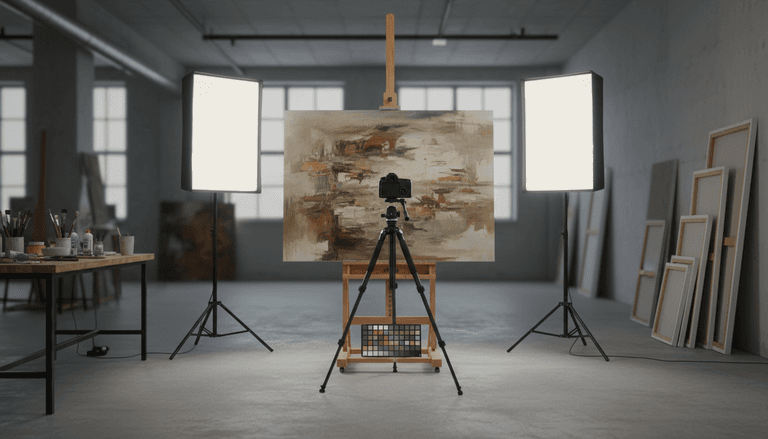
How to Photograph Your Own Artwork
You do not need a studio to document your work well. Even light, a simple setup, and a colour reference will produce photographs good enough to sell from.

How to Write an Artist Bio vs. an Artist Statement
Bios and statements get mixed up constantly. Learn the different jobs they do, the lengths each needs, and how to write both without art-speak.
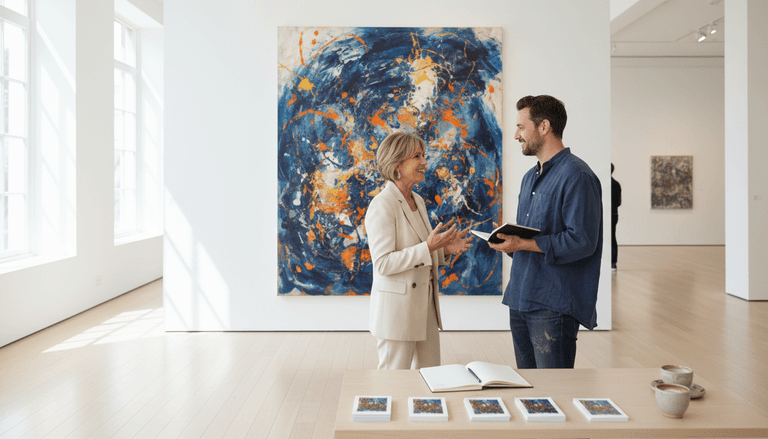
How to Approach a Gallery Without a Cold Pitch
Cold-pitching galleries rarely works. What works is being visible before you ask — through open calls, studio visits, and relationships built over time.
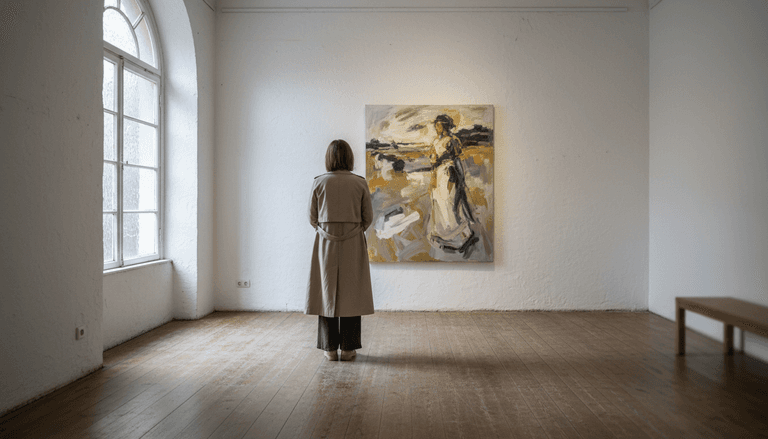
Why Small Galleries Matter More Than Museums
Museums confirm art history; small galleries write it. The work that museums will show in twenty years is usually in a small gallery, or an artist's flat, today.
May 2026
The Luminous Illusion: Physics of Light & Shadow in Renaissance Art
Advertisement
More from the journal
- Why Your Paintings Look Muddy and How to Fix Color Mixing ProblemsWhy paintings look muddy and how to fix color mixing problems. The science of chromatic neutralization, pigment transparency, and value control in mixing.
- How Pointillism Exploits Optical Mixing vs Pigment MixingThe science behind pointillism's optical color mixing. Why Seurat's dots work at distance but fail up close, and what retinal mixing actually achieves versus theory.
- Why Titanium White Behaves Differently Than Lead WhiteThe chemistry behind titanium white vs lead white in oil painting. Why particle size, opacity mechanisms, and drying chemistry create fundamentally different paint behavior.