
The archive
Journal
Everything published on materials, colour, technique, art history, exhibitions, and conservation — newest first.
May 2026
April 2026
February 2026
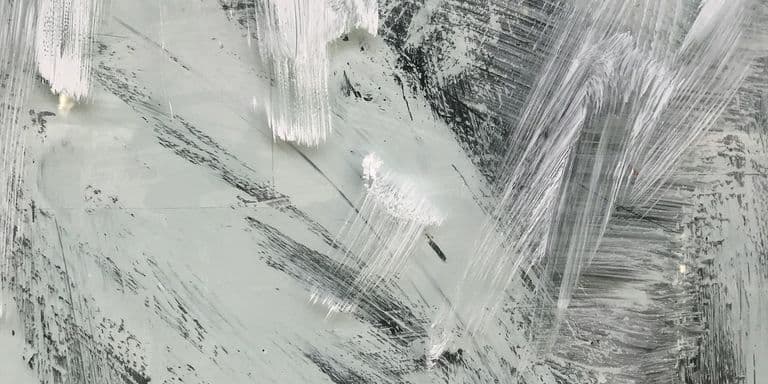
Why Titanium White Behaves Differently Than Lead White
The chemistry behind titanium white vs lead white in oil painting. Why particle size, opacity mechanisms, and drying chemistry create fundamentally different paint behavior.
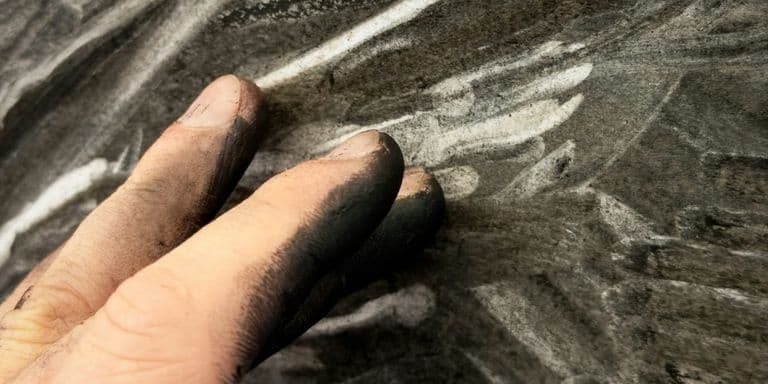
Why Charcoal Smudges Differently on Various Paper Surfaces
The physics of charcoal adhesion to paper. How fiber structure, tooth, and surface energy determine smudging, and why hot press behaves completely differently than cold press.
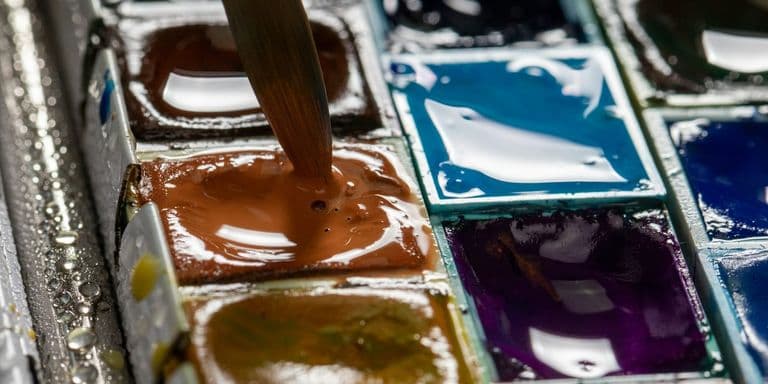
Why Gouache Reactivates With Water While Acrylic Doesn't
The chemistry behind gouache's water solubility versus acrylic's permanent film. Why gum arabic stays reactivatable while acrylic polymers lock permanently.
Advertisement
More from the journal
- Why Your Paintings Look Muddy and How to Fix Color Mixing ProblemsWhy paintings look muddy and how to fix color mixing problems. The science of chromatic neutralization, pigment transparency, and value control in mixing.
- How Pointillism Exploits Optical Mixing vs Pigment MixingThe science behind pointillism's optical color mixing. Why Seurat's dots work at distance but fail up close, and what retinal mixing actually achieves versus theory.
- Why Titanium White Behaves Differently Than Lead WhiteThe chemistry behind titanium white vs lead white in oil painting. Why particle size, opacity mechanisms, and drying chemistry create fundamentally different paint behavior.
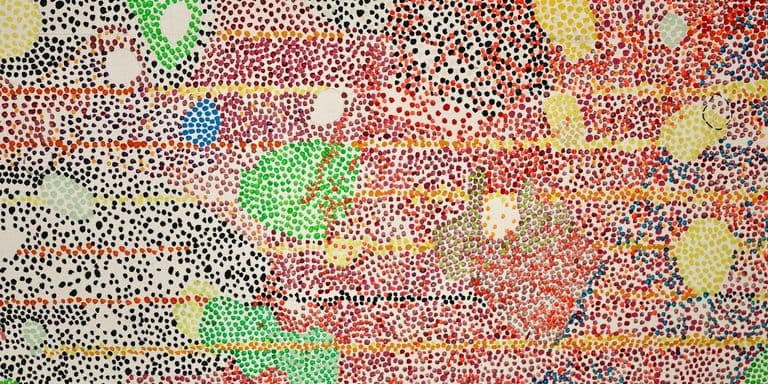
How Pointillism Exploits Optical Mixing vs Pigment Mixing
The science behind pointillism's optical color mixing. Why Seurat's dots work at distance but fail up close, and what retinal mixing actually achieves versus theory.
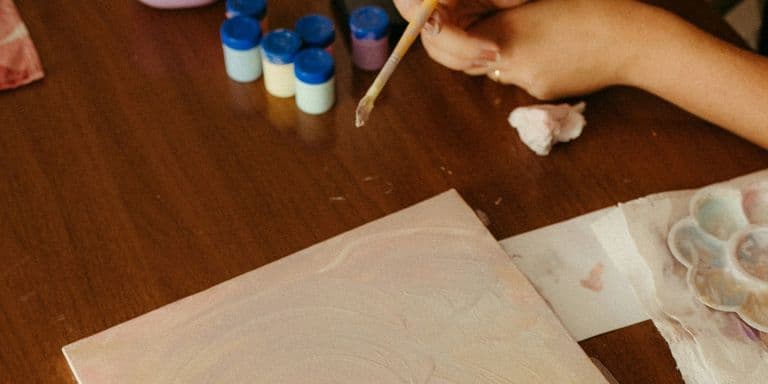
Varnishing Oil Paintings Without Yellowing or Blooming
Deep dive into varnish chemistry, resin oxidation, blooming physics, and curing timelines. Learn conservation-grade techniques for permanent protection without yellowing or haze.
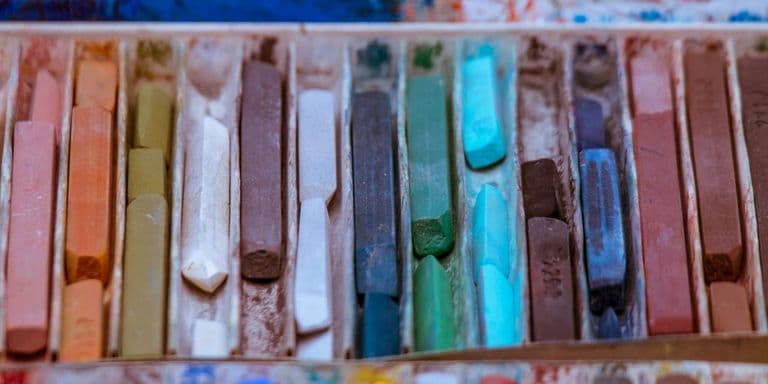
Why Some Pastels Smudge More Than Others
Why some pastels smudge more than others through pigment-to-binder ratios, particle hardness, and paper tooth interaction. The materials science behind pastel adhesion.
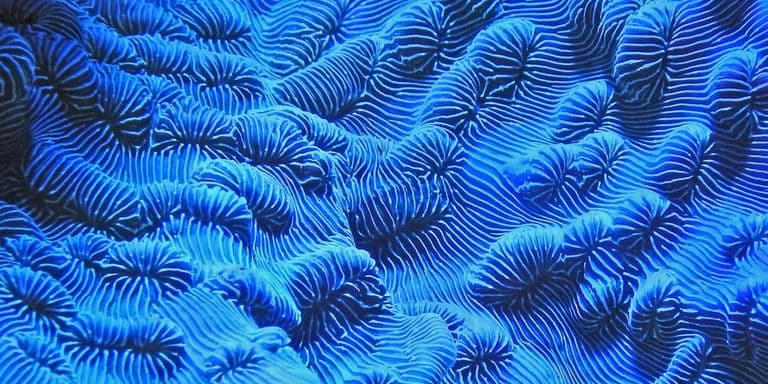
How Bioluminescent Bacteria Create Living Paintings
How bioluminescent bacteria create living paintings through luciferin-luciferase reactions. The microbiology, growth requirements, and why most bio art fails.
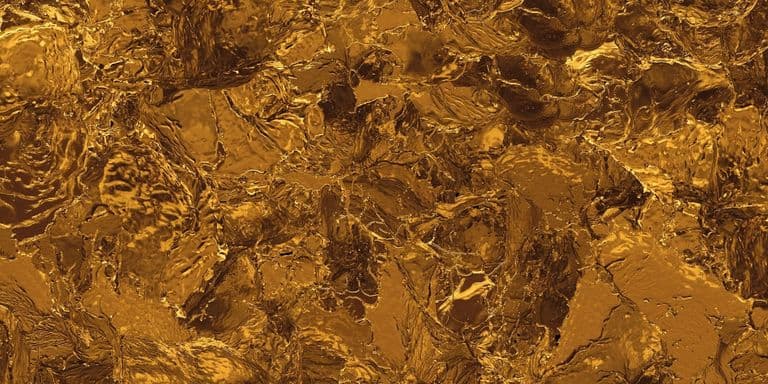
Why Gold Leaf Adheres to Surfaces Without Glue in Gilding
Why gold leaf sticks to surfaces without glue through van der Waals forces and static electricity. The physics and chemistry of traditional water gilding techniques.
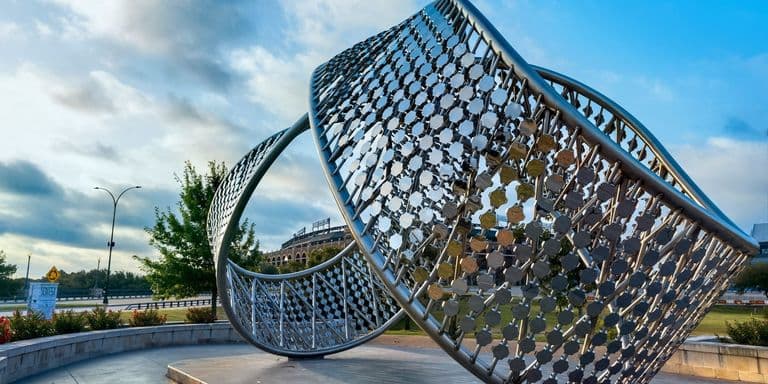
How Rust Behaves in Richard Serra's Weathering Steel Sculptures
How rust behaves in Richard Serra's Cor-Ten steel sculptures. The chemistry of controlled oxidation, protective patina formation, and why some weathering steel fails.
Advertisement
More from the journal
- Why Your Paintings Look Muddy and How to Fix Color Mixing ProblemsWhy paintings look muddy and how to fix color mixing problems. The science of chromatic neutralization, pigment transparency, and value control in mixing.
- How Pointillism Exploits Optical Mixing vs Pigment MixingThe science behind pointillism's optical color mixing. Why Seurat's dots work at distance but fail up close, and what retinal mixing actually achieves versus theory.
- Why Titanium White Behaves Differently Than Lead WhiteThe chemistry behind titanium white vs lead white in oil painting. Why particle size, opacity mechanisms, and drying chemistry create fundamentally different paint behavior.