
The archive
Journal
Everything published on materials, colour, technique, art history, exhibitions, and conservation — newest first.
December 2025
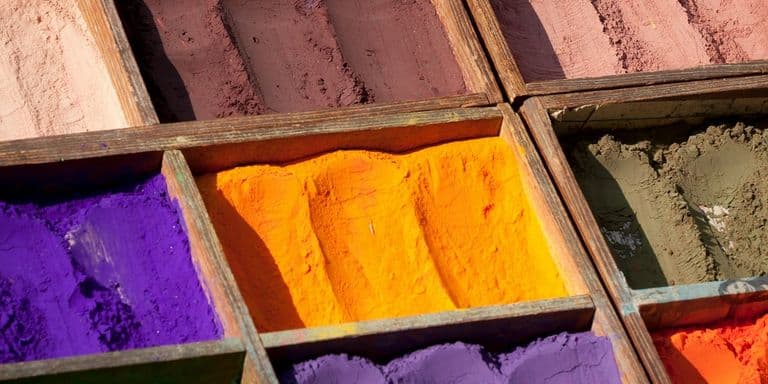
The Truth About Pigment Prices: What Artists Actually Paid Throughout History
Renaissance contracts reveal ultramarine cost more than gold per weight. Historical account books, guild records, and artist negotiations show how material economics shaped what got painted and where expensive colors could appear.
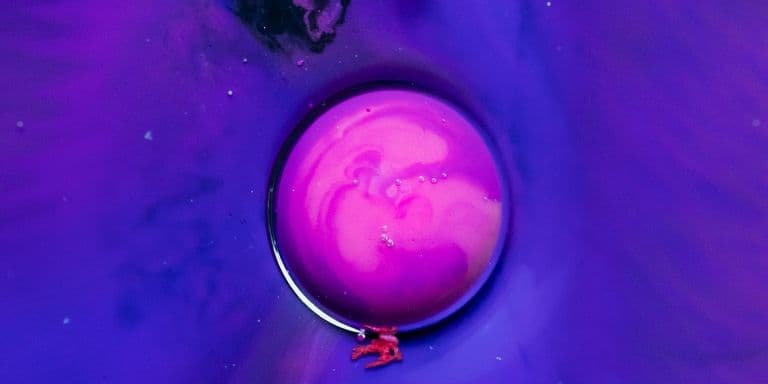
The Most Expensive Colors in History (and Why They Cost a Fortune)
Discover why Tyrian purple cost more than gold, ultramarine bankrupted painters, and arsenic greens killed their users. The brutal economics behind history's most expensive colors reveal how rarity, empire, and desire shaped what artists could create.
November 2025

Breaking the Block: Twelve Proven Exercises for Creative Momentum
Waiting for inspiration extends blocks. Forcing produces weak work. These structured exercises bypass stuck pathways and create new routes to making art.
Conceptual Depth: Moving Beyond Technical Skill
Technical mastery without conceptual depth produces competent but empty work. Learn to develop ideas worth executing through research, questions, and integration.
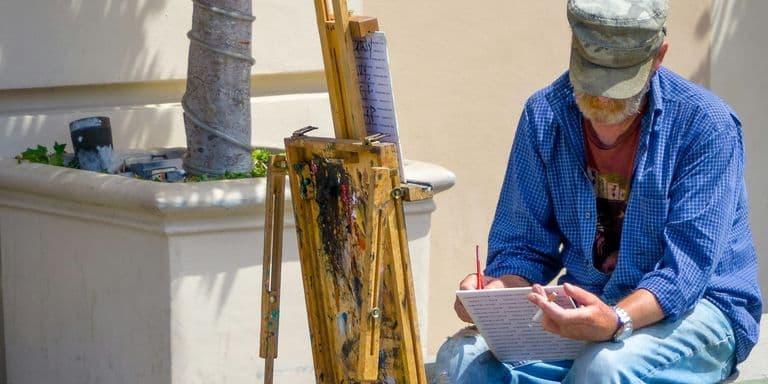
The Artist Statement That Opens Doors: Writing With Clarity and Conviction
Artist statements provoke more anxiety than almost any professional requirement. Learn to write with clarity instead of art-speak, in your authentic voice.
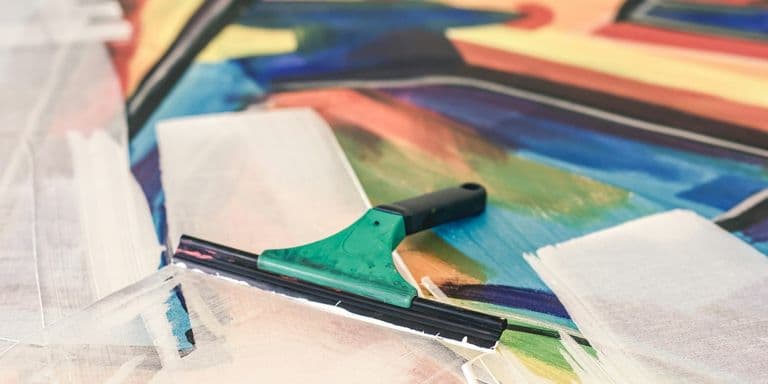
Surface Preparation Secrets: What They Don't Teach in Art School
Master the invisible infrastructure that determines whether your paintings struggle or sing. Advanced ground preparation techniques for canvas, panel, and experimental surfaces.
Advertisement
More from the journal
- Why Your Paintings Look Muddy and How to Fix Color Mixing ProblemsWhy paintings look muddy and how to fix color mixing problems. The science of chromatic neutralization, pigment transparency, and value control in mixing.
- How Pointillism Exploits Optical Mixing vs Pigment MixingThe science behind pointillism's optical color mixing. Why Seurat's dots work at distance but fail up close, and what retinal mixing actually achieves versus theory.
- Why Titanium White Behaves Differently Than Lead WhiteThe chemistry behind titanium white vs lead white in oil painting. Why particle size, opacity mechanisms, and drying chemistry create fundamentally different paint behavior.
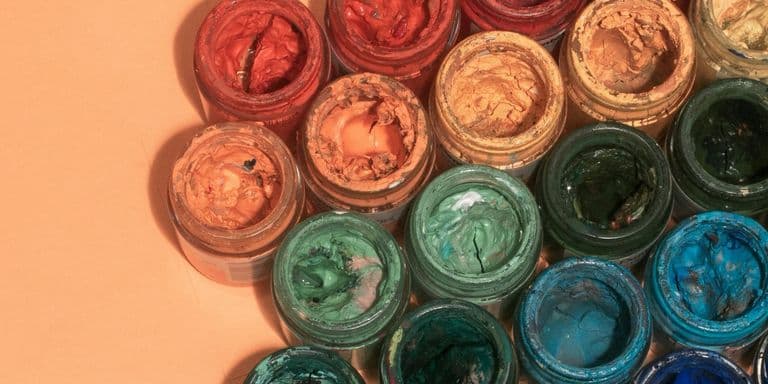
Color Constancy and Context: Why the Same Pigment Looks Different
The same pigment appears dramatically different depending on surroundings and lighting. Understanding color constancy transforms frustration into technique.
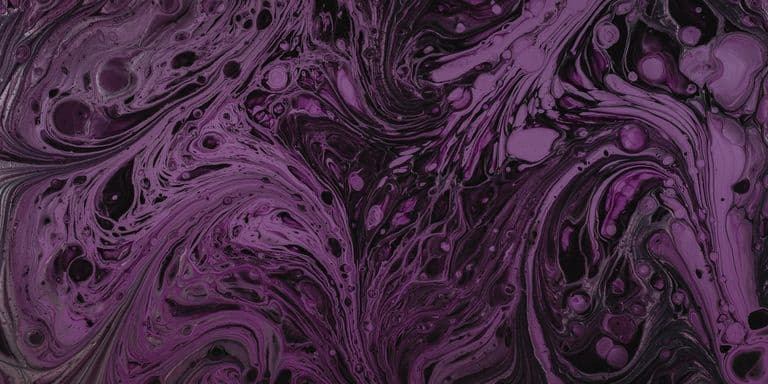
The Invention of Mauve: How One Synthetic Dye Changed Art Forever
An 18-year-old's failed chemistry experiment in 1856 accidentally created the first synthetic dye. Mauve didn't just add a color; it revolutionized art materials forever.
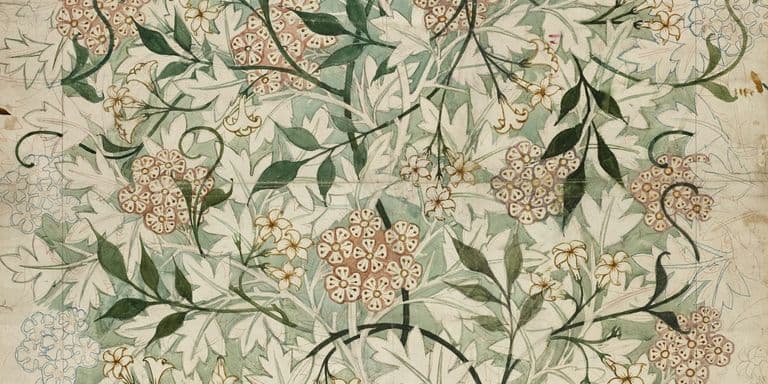
The Triadic Power of Purple, Orange, and Green in Art Nouveau
Art Nouveau's signature palette wasn't accidental. This triadic harmony of purple, orange, and green embodied the movement's philosophy while solving technical problems.

Building a Sustainable Art Practice Without Burning Out
Marathon studio sessions and sacrifice-everything devotion produce predictable burnout. Learn to structure your practice for decades, not months of intensity.

Six Months to Signature: A Structured Approach to Developing Your Visual Voice
Your art style won't crystallize from practice alone. This six-month framework helps you systematically explore, identify, and develop your authentic visual voice.
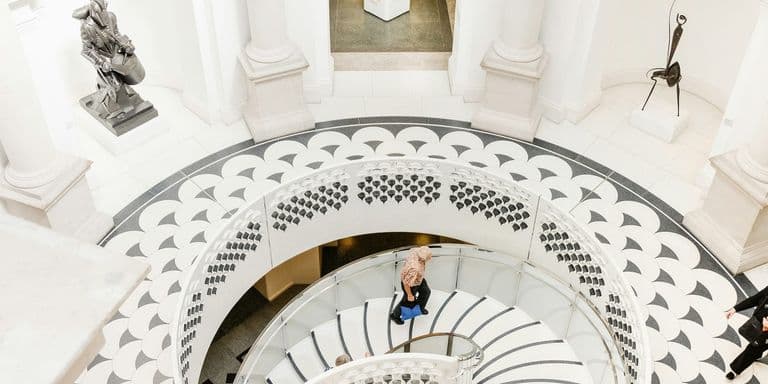
Turner and Constable at Tate Britain: What Their Rivalry Teaches Working Artists
The landmark Turner and Constable exhibition at Tate Britain through April 2026 pairs Britain's greatest landscape rivals. Here's what their different approaches to atmosphere, light, and ambition reveal for contemporary practice.
Advertisement
More from the journal
- Why Your Paintings Look Muddy and How to Fix Color Mixing ProblemsWhy paintings look muddy and how to fix color mixing problems. The science of chromatic neutralization, pigment transparency, and value control in mixing.
- How Pointillism Exploits Optical Mixing vs Pigment MixingThe science behind pointillism's optical color mixing. Why Seurat's dots work at distance but fail up close, and what retinal mixing actually achieves versus theory.
- Why Titanium White Behaves Differently Than Lead WhiteThe chemistry behind titanium white vs lead white in oil painting. Why particle size, opacity mechanisms, and drying chemistry create fundamentally different paint behavior.